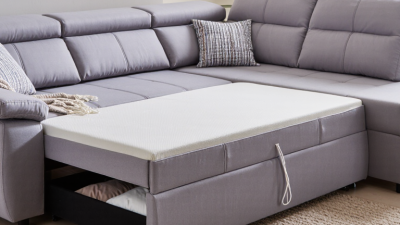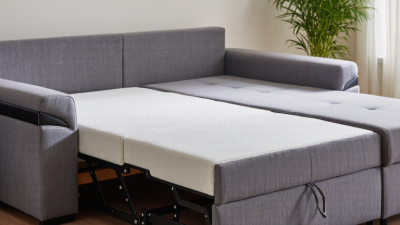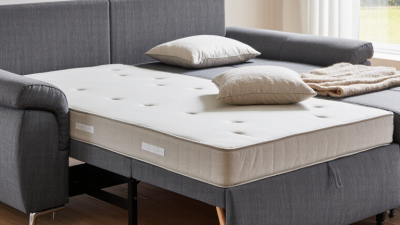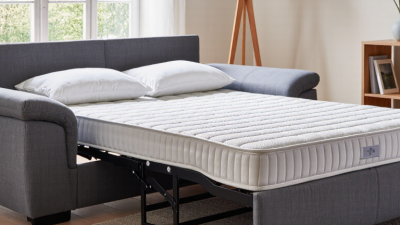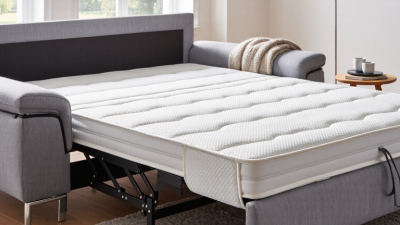


A convertible sofa bed has two jobs, and it must do both well. By day, it should feel comfortable for sitting. At night, it should open without a struggle and provide a supportive place to sleep. The best choice depends on your room, your routines, and who will use it. A guest bed used a few weekends each year has different demands from one opened every night.
Small details matter. Measure the room with the bed fully extended, not just in sofa mode. Check the doorway, too. A frame that fits the floor plan may still be difficult to carry upstairs. Product-design pioneer Dieter Rams offered a useful principle: “Good design is as little design as possible.” For a convertible sofa bed, that means a clear mechanism, practical upholstery, and no awkward steps when transforming it.
This guide compares the features that shape everyday comfort: mattress type, opening mechanism, frame stability, seat depth, and fabric care. It also explains where trade-offs appear. A compact model may save floor space but feel less generous for sleeping. A thicker mattress can add comfort, yet change the folded shape or price. There is no perfect option for everyone. Even careful measurements cannot predict whether a mattress will feel right to you. Use them to narrow the field, then test the sofa bed in person when possible.
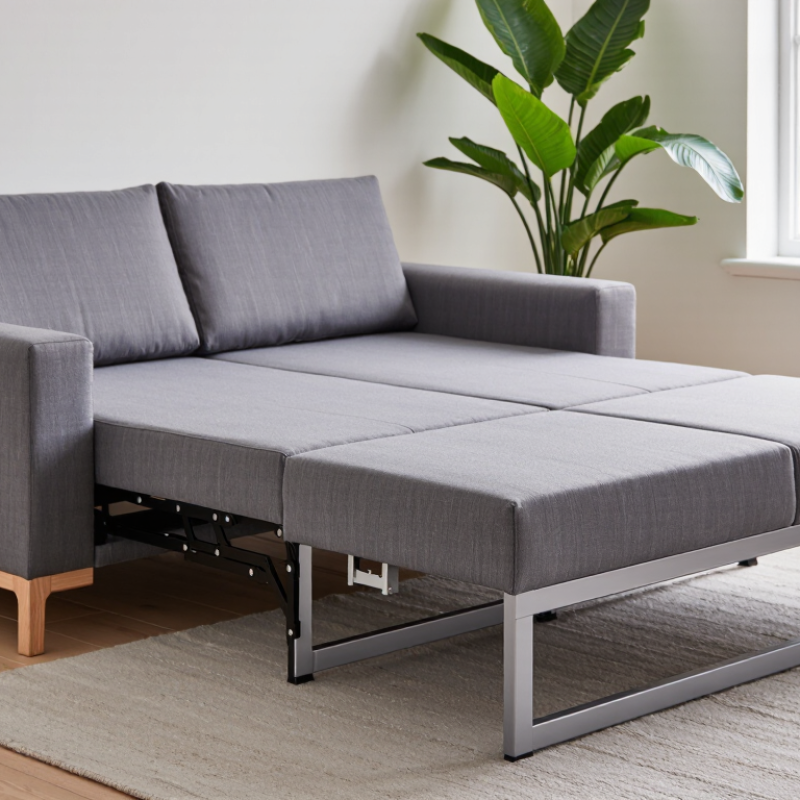
A convertible sofa bed is a piece of furniture designed to serve as both a sofa and a sleeping surface. Depending on its mechanism, the back may fold flat, the seat may extend, or a mattress may pull out from beneath the cushions. Some models also include storage, but that feature is separate from the basic definition. The sleeping surface, mattress thickness, and opening method vary widely. That distinction matters.
Grand View Research’s 2023 Sofa Market Size, Share & Trends Analysis Report valued the global sofa market at about US$29.8 billion. This figure covers sofas broadly, not convertible sofa beds alone, so it should not be read as a measure of their popularity. In practice, the best fit depends on room size, how often someone will sleep on it, and whether there is enough clearance to open it. I still think “bed” can overpromise: some sofa beds are comfortable for occasional guests but less suitable for nightly use.
Tips: Measure the sofa in both its closed and fully opened positions. Check the sleeping surface dimensions, mattress support, and whether cushions need to be removed. Try the conversion mechanism in person if possible; a heavy pull-out frame can be awkward in a tight room. A few inches matter.
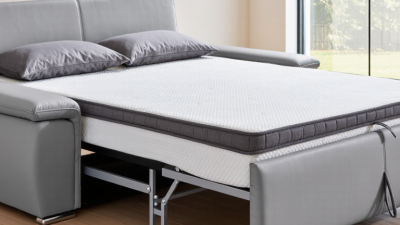
A convertible sofa bed changes shape through a pull-out frame, a folding back, or a click-clack mechanism. In a pull-out model, you remove the seat cushions, draw the frame forward, and unfold the mattress. The frame should move without scraping the floor. Keep a clear path around it, especially in a small room. With a fold-down design, the backrest tilts flat, creating a continuous surface from seat to back. Then comes the test. Check whether the hinge locks securely and whether the sleeping surface feels level.
The mechanism affects daily use as much as comfort. Grand View Research’s 2022 sofa-bed market report estimated the global market at USD 3.4 billion, with projected annual growth of 5.9% through 2030. That signals demand, not proof that every mechanism is durable. To compare options, open and close the sofa in person if possible. Notice the weight of the frame, the reach needed to pull it out, and whether cushions need separate storage. A narrow apartment may suit a fold-down design, while frequent overnight guests may prefer a dedicated mattress. There is a trade-off. Some pull-out beds feel heavy to operate, and some folded surfaces leave a ridge beneath the sheets. Check the mechanism, not just the showroom appearance.
The best option depends on your available space and sleeping needs. Compare common U.S. mattress sizes to see how much sleeping space each configuration provides.
How does it transform? Most convertible sofa beds change from seating to sleeping mode when you fold down the backrest or pull out a platform, depending on the design. Check the fully opened dimensions and clearance needed before choosing. Mattress measurements shown are standard U.S. sizes; finished sofa-bed dimensions vary by model.
Convertible sofa beds fall into several practical types. A pull-out model hides a folded mattress beneath the seat; it usually feels closer to a conventional bed, but needs clear floor space when opened. A click-clack sofa folds its backrest flat, creating a simple sleeping surface with fewer moving parts. It is often compact, though the center hinge can feel firm under the hips. Futon-style designs use the same basic fold-down idea, with a mattress that serves as both seat and bed. There are also daybeds with trundles, and modular sofas with chaise sections that rearrange into a sleeping area. Check the opened dimensions, not just the showroom footprint.
The choice depends on who will sleep there and how often. For nightly use, mattress thickness, support, and ease of opening matter more than a sleek silhouette. For occasional guests, a click-clack or modular design may save space and setup time. Grand View Research’s sofa-bed market analysis estimated the global category at roughly US$3.6 billion in 2023, indicating substantial demand, though market size cannot tell you which mechanism feels comfortable at home. Try opening the frame and lying on it, if possible. Small details matter. A narrow arm can reduce usable sleeping width, while a heavy pull-out may become tiring in a tight room. I would still measure twice; product diagrams can make clearance look easier than it is.
| Type | How It Converts | Typical Sleeping Surface | Best For | Advantages | Points to Consider |
|---|---|---|---|---|---|
| Pull-out sofa bed | A mattress and frame fold out from inside the sofa. | Commonly twin, full, or queen; exact dimensions depend on the model. | Regular overnight guests and households wanting a separate mattress. | Often provides a more bed-like sleeping surface than a simple folding sofa. | Needs clear floor space in front when open. Check mattress thickness, support, and the effort required to pull it out. |
| Futon sofa bed | The back folds down, allowing the seat and back to form a flat sleeping surface. | Varies by frame and mattress; some models are designed around common twin, full, or queen widths. | Small apartments, multipurpose rooms, and buyers who want a simple mechanism. | Usually straightforward to convert and does not store a separate bed frame inside the sofa. | The mattress serves as both seating and bedding, so comfort depends on its construction and how it holds up to regular use. |
| Click-clack sofa bed | A hinged backrest moves through set positions and folds flat to create a bed. | Varies considerably; often suited to one person or occasional use, depending on width. | Compact rooms and occasional guests. | Typically quick to change between sitting, reclining, and sleeping positions. | Check the flat sleeping area for seams, gaps, or unevenness, and confirm the open dimensions fit the room. |
| Fold-down sofa bed | The backrest folds forward or down to create a flat sleeping surface, sometimes with the seat. | Model-dependent; commonly a compact single or double-width surface. | Guest rooms, studios, and spaces where a simple design is preferred. | Often has fewer moving parts than a pull-out mechanism. | Comfort and support can vary. Measure the sleep surface and test whether the transition between sections feels even. |
| Convertible sectional | A sectional may unfold, recline, or use a movable chaise section to form a larger lounging or sleeping area. | Usually a broad, model-specific surface; it may not match standard mattress dimensions. | Living rooms with enough floor space and households that want generous lounging space. | Can offer ample seating and a large shared surface for occasional sleeping. | Requires more room, and the sleeping area may be formed by sofa cushions rather than a dedicated mattress. |
| Convertible chair or chair bed | A chair-sized unit unfolds or extends into a compact bed. | Usually designed for one person; dimensions vary by design. | Very small rooms, offices, or occasional single guests. | Uses less space than a full-size sofa bed and can function as everyday seating. | Sleeping width and length may be limited. Check the unfolded size against the sleeper’s needs. |
How to choose: The best type depends on how often it will be used as a bed, available room when opened, preferred sleeping space, and the comfort of both the seat and sleep surface. Dimensions and mechanisms vary by model, so check the product’s stated measurements before buying.
The best convertible sofa bed is not automatically the softest one. Start by measuring the room, including the space needed when the bed is open. Check the sleeping area against your own height and the dimensions of your usual sheets. A sofa that fits the wall may still block a doorway when unfolded. Small detail, big difference.
Test the opening mechanism in person if possible. It should move smoothly, without forcing or pinching your fingers. For regular sleep, look for a supportive, even mattress and a frame that feels stable when you sit near the edge.
Check the joints and legs for wobbling, and listen for creaks as the bed opens. Upholstery should suit the way you live: tightly woven fabric may handle daily use better, while removable covers can make spills easier to manage. Ask how the mattress and mechanism are maintained, and confirm that replacement parts are available.
A quick showroom sit is an imperfect test; a few minutes cannot reveal how a mattress feels after a full night. Still, lying down for several minutes may expose pressure points. Consider storage, too, but make sure bedding fits without stretching the sofa’s seams.
Even careful checks cannot predict every creak after months of use.
A useful comparison starts with how the sofa bed will be used: nightly sleeping needs different support from occasional guests. Sit on it for several minutes, then lie down if the store allows. Notice whether the seat feels supportive or sinks under your hips. Check the hinge. It should move smoothly without sharp catches, and the mattress should lie flat rather than forming a ridge.
Measure the room with the bed fully open, not just in sofa mode. Leave space to walk around it and pull out bedding. Measure doorways and stair turns too; a sofa that fits the room may not fit the route inside. For smaller rooms, compare the open footprint with nearby tables, shelves, and heating vents. Measure twice. It sounds fussy, but it can prevent a difficult delivery.
For durability, inspect the frame, joints, upholstery seams, and conversion mechanism. A firm frame and reinforced stress points often matter more than decorative details. Ask about weight limits, cleaning instructions, and warranty coverage, and check whether replacement parts are available. Comfort is harder to judge from product descriptions alone, so look for specific details about mattress thickness and support. One imperfect point: showroom cushions may feel different after months of use. If possible, test the mechanism several times and check how easily the mattress can be removed for cleaning.