

Our new Sales Gallery is located adjacent to our workshop in the Brooklyn Navy Yard. We are on the 6th floor of Building 280. Building 280 is right inside of the entrance at Flushing Avenue and Cumberland Street.

Please contact us to send an entry pass to your smartphone. Send request to [email protected] or call 212 620 4682. You can also register for a pass online.

What Is a Convertible Sofa Bed?

A convertible sofa bed is a sofa designed to change into a sleeping surface. Depending on its mechanism, the seat may fold flat, pull forward, or reveal a mattress beneath the cushions. Some models suit occasional overnight guests; others are designed for more frequent use. The name sounds simple. The details matter.

Housing data helps explain why flexible furniture attracts attention. The U.S. Census Bureau’s 2023 American Community Survey reports that about 29% of U.S. households were one-person households. AARP’s 2024 Home and Community Preferences Survey found that 75% of adults aged 50 and older want to remain in their homes as long as possible. These surveys describe household patterns and preferences, not sofa-bed sales. They offer useful context, but they cannot tell us which design is right for a particular room.

In this guide, we’ll explain how a convertible sofa bed works and how it differs from a futon or a pull-out sleeper sofa. We’ll also consider mattress comfort, opening clearance, frame construction, and everyday seating. A compact apartment may need a simple fold-flat design, while a guest room might accommodate a heavier pull-out model. One caveat: retailers do not always use these terms consistently. Check the product’s measurements and mechanism, not just its label. A photo rarely shows the whole story.
What Is a Convertible Sofa Bed?

Definition and Basic Structure of a Convertible Sofa Bed

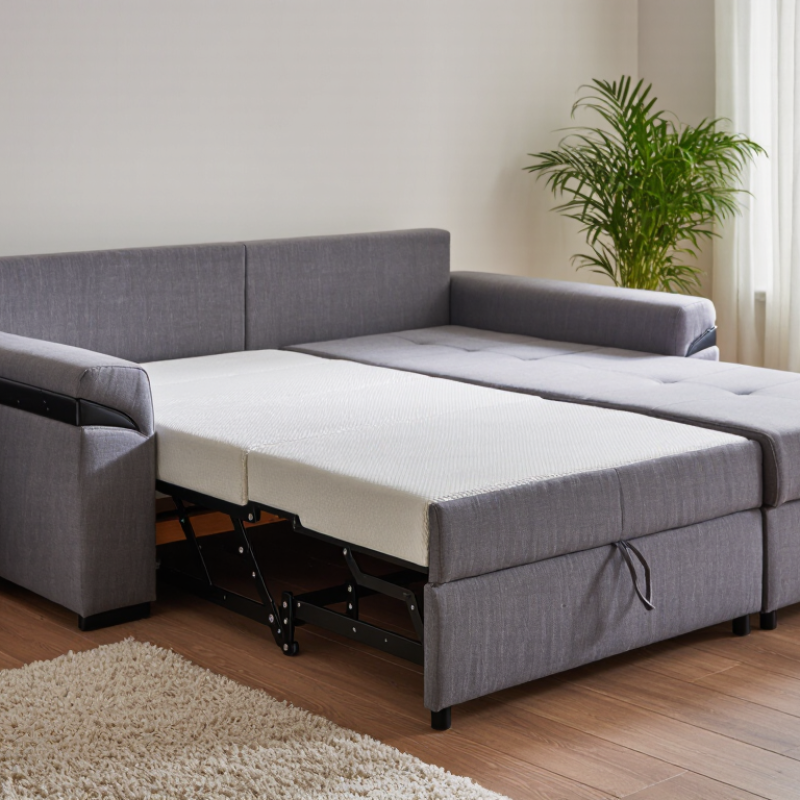
A convertible sofa bed is a seating unit designed to change into a sleeping surface. Its basic structure usually includes a frame, seat and back cushions, a conversion mechanism, and a platform or mattress. Some models unfold a hidden mattress from beneath the seat; others lower the backrest or fold the seat flat. The mechanism matters: it determines how the sofa moves, where the sleeping surface sits, and how much floor space the opened unit needs. That sounds simple. In practice, hinges and joints can make the transformation feel either smooth or awkward.

Grand View Research estimated the global sofa market at USD 29.23 billion in 2023 in its Sofa Market Size, Share & Trends Analysis Report. That figure covers sofas broadly, not convertible models alone, so it should not be read as a sofa-bed sales estimate. It does show the scale of the furniture category in which these hybrid designs sit. When assessing the structure, check whether the frame supports the load in both modes and whether the opened surface stays level. A thin mattress over widely spaced bars may feel different from a continuous platform. Measure the room with the bed fully extended, too. Easy to overlook. Cushions can shift, and the mechanism may need clearance behind or beside the frame. A product description rarely tells the whole story.
How a Convertible Sofa Bed Changes from Sofa to Bed

What Is a Convertible Sofa Bed?

How a Convertible Sofa Bed Changes from Sofa to Bed

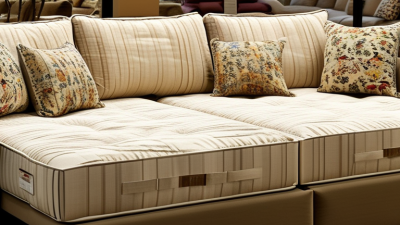
A convertible sofa bed changes shape through a built-in folding or sliding mechanism. The exact motion depends on its design. Some models fold the backrest flat, while others reveal a mattress beneath the seat. Before opening it, move the coffee table and clear nearby rugs or toys. Small obstacles can make the change awkward.

For a fold-down style, you may need to remove loose cushions, then lower the backrest until it lies level with the seat. A pull-out style usually requires lifting or drawing the frame forward, then unfolding the sleeping surface. Follow the furniture’s instructions, and avoid forcing a stiff hinge. It should move smoothly. Check that the legs are firmly positioned and the bed surface feels even before adding sheets. A thin blanket can help cover gaps between sections, though it will not fix an uneven frame.

The first conversion may take a minute or two. That is normal. Keep bedding nearby, but not on the seat while opening the mechanism; fabric can catch in moving parts. Some sofa beds also need a little clearance behind or in front, so measure the space before choosing a spot. In daily use, the change is convenient, but it may not feel exactly like a dedicated mattress. A small compromise, perhaps.

Common Types of Convertible Sofa Beds

What Is a Convertible Sofa Bed?
Common Types of Convertible Sofa Beds

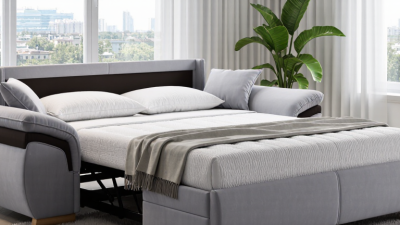
Convertible sofa beds change from seating into a sleep surface, but their mechanisms vary. Pull-out sleepers store a folded mattress inside the frame. Remove the seat cushions, lift the mechanism, and unfold the bed. This style often feels more like a regular mattress, though opening it takes floor space. Measure the room with the bed fully extended, not just the sofa.

Futons use a hinged frame and a single mattress that folds into a sofa shape. They are usually straightforward to operate and suit smaller rooms. The trade-off is noticeable: a thin mattress may feel firm during a full night’s sleep. Click-clack sofas work differently. Their backrest moves through a hinge, then lies flat to create a sleeping surface. That matters. Check whether the hinge locks securely and whether the flat surface has a gap or ridge.

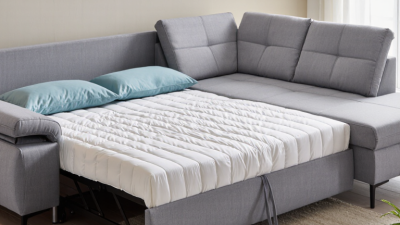
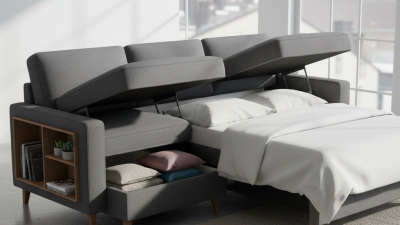
Convertible sectionals may include a chaise that lifts or opens into a bed. They offer generous lounging space, but their larger footprint can crowd narrow rooms. Some models also provide storage beneath the chaise for sheets. Before choosing, consider who will sleep on it and how often. A guest using it occasionally may accept a firmer surface; nightly use calls for more attention to mattress support. No design fits every routine, and I’d still test the conversion in person when possible.

Materials, Sizes, and Comfort Features

A convertible sofa bed changes from a seat into a sleeping surface, but its materials affect both daily comfort and long-term wear. Upholstery may include tightly woven polyester, linen blends, or leather-like materials. Woven fabrics can feel softer and breathe better, while smooth surfaces are often easier to wipe clean. Check seams and cushion covers; loose stitching can show wear early. Frame materials matter, too. A sturdy hardwood or metal frame usually feels more stable than a lightweight frame, though construction quality varies.

Sizes can be misleading. A sofa that fits a small living room may open into a bed that blocks a doorway or cabinet. Measure the sofa when closed and fully extended, then leave walking space around it. Sleep surfaces range from compact single-size options to wider beds for two. Try the opening mechanism in person if possible. It should move without excessive force or scraping.

Comfort depends on more than cushion softness. A thick, supportive mattress or a well-padded fold-out surface can reduce pressure points, while thin sections may feel uneven at the hips or shoulders. Look for balanced support, smooth joins, and cushions that stay in place. Firmness is personal. What feels supportive during a short sit may feel hard after a full night, so test both positions when you can. Some details are easy to overlook. A washable cover and room to store bedding can make everyday use simpler.

What Is a Convertible Sofa Bed? - Materials, Sizes, and Comfort Features

Convertible Sofa Bed Type How It Converts Common Materials Typical Sleeping Size Comfort and Practical Features
Pull-out sofa bed A folded mattress and frame are stored beneath the seat and pulled out when needed. Upholstery may be polyester, cotton blends, or leather; frames commonly use steel, hardwood, or engineered wood. Mattresses may use foam or innersprings. Often full or queen; dimensions vary by model. A separate mattress can provide a more bed-like surface. Check mattress thickness and allow enough floor space for the extended frame.
Click-clack sofa bed The backrest reclines and typically folds flat with the seat to form a sleeping surface. Commonly upholstered in polyester fabric, linen-look fabric, or faux leather, with foam cushioning and a metal or wood frame. Usually a single or double-size surface, depending on width. Simple to operate and often suited to compact rooms. The sleep surface may feel firmer or show a seam where sections meet.
Futon sofa bed The back folds down, allowing the sofa mattress to lie flat on its support frame. Frames are often wood or metal. Mattresses commonly contain cotton, foam, or a combination of filling materials and may have a fabric cover. Commonly full or queen, with exact dimensions depending on the frame and mattress. The mattress serves as both the seat and bed surface. A thicker mattress may feel plusher but can make folding and storage more difficult.
Convertible chaise or sectional A chaise section may extend, lift, or combine with the main seat to create a larger lounging or sleeping area. Upholstery often includes polyester or blended fabrics; frames may combine wood, engineered wood, and metal. Cushion filling is commonly foam or fiber. Varies widely; the usable surface may be similar to a single, full, or larger area. Provides generous daytime seating and a broad lounge area. Measure the full layout and note whether cushions create an even sleeping surface.
Convertible chair or loveseat The seat unfolds or extends into a compact sleeping surface, sometimes with a folding backrest. Common materials include polyester upholstery, foam padding, and a metal or wood support frame. Typically a single-size surface; loveseat models may offer more width. Useful for small rooms and occasional guests. Check the unfolded length and weight capacity before purchase.

Note: Sleeping dimensions, upholstery, frame construction, and mattress materials vary by design. Confirm the product’s exact measurements and care instructions before choosing a sofa bed.

Typical Uses and Factors to Consider When Choosing One

A convertible sofa bed turns a sitting area into a sleeping space, often with a fold-out mattress or a backrest that lowers flat. It can serve visiting family, a studio apartment, or a home office that occasionally hosts overnight guests. AARP’s 2024 Home and Community Preferences Survey found that 75% of adults aged 50 and older want to remain in their current homes as long as possible. Flexible furniture may help rooms serve changing needs, though that survey did not measure sofa-bed use. Small details matter.

Before choosing one, measure the sofa’s full open footprint, walking clearance, and doorway width. The U.S. Census Bureau reported a median floor area of 2,286 square feet for new single-family homes completed in 2023; that national figure cannot tell you whether a particular room has enough usable space. Check the mattress dimensions and try the conversion mechanism in person. If guests will sleep on it often, test how the mattress feels after several minutes, not just a quick sit. Comfort matters most. A sofa bed can feel firm, bulky, or fiddly, and reviews may not reveal how it suits your body. That’s worth considering.

What Is a Convertible Sofa Bed? Typical Uses and Factors to Consider

Convertible sofa beds provide seating that can turn into a sleeping surface, making them useful in guest rooms, studios, and other space-conscious homes. This chart compares nominal U.S. mattress dimensions: check the specific sofa bed’s sleeping surface and room measurements before choosing.