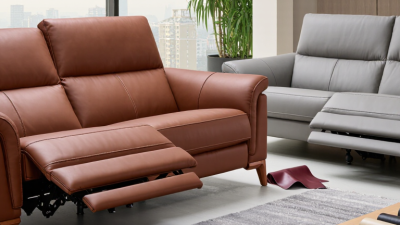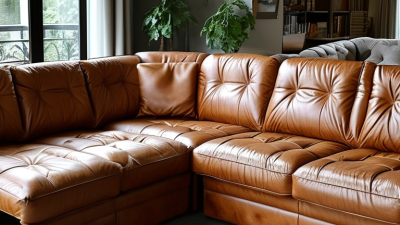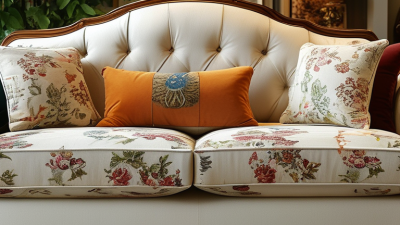


Why choose a sectional sleeper sofa? In homes where one room must host movie nights and overnight guests, it can combine everyday seating with a usable bed. The idea sounds simple. Living with one is more nuanced.
Interior designer Nate Berkus has said, “Your home should tell the story of who you are, and be a collection of what you love.” His broader point suits this choice: furniture should serve real routines, not just fill a floor plan. A sectional sleeper sofa can anchor a small apartment, open-plan den, or guest space while keeping blankets and pillows close at hand.
The practical appeal is easy to picture: a chaise offers room to stretch, while a pull-out mattress gives a visitor somewhere to sleep. But dimensions matter. Measure doorways, hallway turns, and the sofa fully open—not only its showroom footprint. Check mattress size, seat depth, mechanism, and fabric care before buying. Small details count.
This furniture is not a magic fix. Some models feel firmer than expected, and opening the bed may require moving a coffee table every night. That can get old. This guide explains when the format makes sense, what to compare, and where compromises show up, so readers can choose with clear expectations.
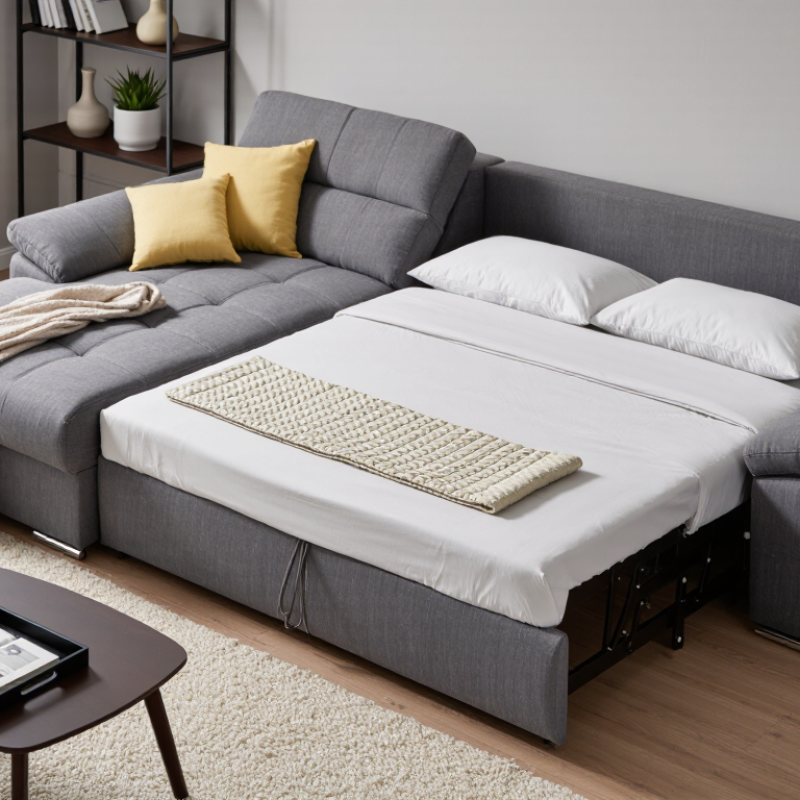
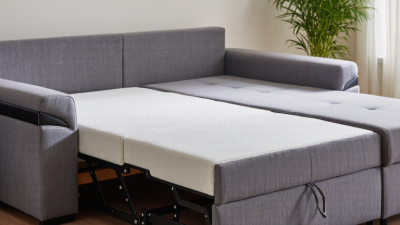
A sectional sleeper sofa combines two functions: sectional seating and a built-in bed. Its seats connect in an L-shape or U-shape, while one section typically opens to reveal a mattress or sleeping platform. That matters. Unlike a standard sofa bed, the sectional layout can add a chaise or corner seat, but the sleeping mechanism may be limited to one section. The exact design varies, so check the product’s open dimensions and mattress type before treating it as a true guest bed.
The U.S. Census Bureau’s 2023 American Community Survey reports an average household size of about 2.5 people. That figure does not measure sofa demand, but it offers useful context: flexible furniture can serve daily seating and occasional overnight guests in the same room. Still, the category is a little messy. Some models prioritize lounging, while others provide a more supportive sleep surface; “sleeper” alone does not tell you which. Look at the frame, mattress thickness, and how much floor space the bed needs when opened.
Tips: Measure the sofa’s full footprint with the bed extended, including walking space beside it. Check doorways and stair turns before delivery. If possible, test the conversion mechanism yourself. A smooth pull-out feels reassuring, but comfort can be personal, and showroom testing is not the same as sleeping on it overnight.
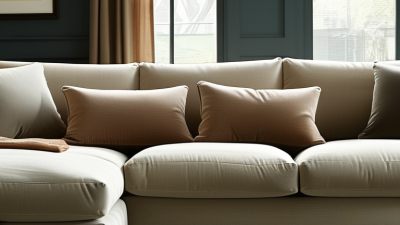
A sectional sleeper sofa combines everyday seating with a concealed bed, but the conversion mechanism determines how each function works. In a pull-out design, you remove the seat cushions and draw a folded mattress and frame from beneath the seat. In a click-clack design, the backrest folds down to create a flat surface. Some sectionals also include a chaise with storage; storage alone does not make it a sleeper. Check the product’s mechanism and mattress dimensions before assuming it will suit overnight guests.
The market context is substantial: Grand View Research estimated the global sofa market at USD 29.6 billion in 2022 and projected 5.4% annual growth from 2023 to 2030. That figure describes the broader sofa market, not sleeper sofas specifically, but it reflects sustained demand for home seating.
In daily use, the sectional offers separate zones for sitting, stretching out, and sleeping. At night, clear the floor in front of a pull-out frame, or leave room for a folding backrest. Measure the open bed, not just the sofa. A tight room can make the conversion awkward, and a thin mattress may not feel right for every guest. Worth testing in person.
A sectional sleeper sofa can make an ordinary living room work harder without making it feel like a guest room. The corner shape gives several people room to sit, while a chaise offers a spot to stretch out with a book. When visitors stay, the seat becomes a bed. That matters daily. In a compact apartment, one piece can replace a separate guest bed and extra lounge chairs.
The flexibility also suits changing household needs. AARP’s 2024 Home and Community Preferences Survey found that 75% of adults aged 50 and older want to remain in their homes as they age. A convertible sofa cannot make a home accessible on its own, but adaptable furniture can help a room serve more than one purpose. Keep the pull-out area clear, and check that the sofa’s path does not block a doorway. Measure twice. It is easy to underestimate how far the bed extends.
There is a trade-off. Sleeper mechanisms add weight, and mattress comfort varies; a sofa that feels fine for movie night may feel too firm for a full night’s sleep. Check the open-bed dimensions, try the conversion mechanism, and sit on the cushions before buying. A little inconvenience is still possible. That honest compromise matters when the sofa will be used every day, not just when guests arrive.
| Feature or Dimension | Everyday Benefit | Practical Consideration |
|---|---|---|
| Combined seating and sleeping | Provides a regular seating area and an extra sleeping surface in one piece of furniture. | Check the open-bed dimensions and allow enough room to extend the sleeper. |
| Sectional layout | Offers room for multiple people to sit together and can define a living area in an open-plan space. | Measure doorways, hallways, and the intended layout before delivery; sectional configurations vary. |
| Guest-ready sleeping option | Makes it easier to accommodate occasional overnight guests without keeping a separate guest bed. | Sleeping comfort depends on the mattress or sleep surface, support, and bedding used. |
| Flexible room use | Can help a living room serve as a lounge, television area, or occasional guest room. | The sleeper mechanism needs clear floor space and may require moving a coffee table. |
| Chaise lounge component | Creates a place to stretch out while sitting; some designs include storage beneath the chaise. | Storage and chaise orientation are model-specific, so confirm which side suits the room. |
| Everyday seating comfort | Provides a shared seating area for daily activities such as reading, relaxing, or spending time with family. | Seat depth, cushion firmness, upholstery, and support vary; try the sofa if possible. |
| Space efficiency | Combines functions that might otherwise require both a sofa and a separate bed. | A sectional can have a larger footprint than a standard sofa, so compare both the closed and open layouts. |
| Cleaning and upkeep | Removable cushion covers, where available, can make routine care more manageable. | Follow the upholstery care instructions; removable covers and stain-resistant finishes are not standard on every model. |
Which Features Matter When Choosing One?
A sectional sleeper sofa must work as both everyday seating and a usable bed. Measure the full footprint with the bed open, not just the sofa’s showroom dimensions. Check the mattress length, width, and thickness against the person who will sleep on it. Then measure doorways, stairs, and tight hallway turns before delivery. Small miss, big headache.
Test the opening mechanism in person if possible. It should move smoothly without scraping the floor or trapping fingers. Sit on the cushions, then lie on the mattress; a quick showroom test cannot predict every night’s comfort, but it can reveal obvious pressure points. Look for a sturdy frame, replaceable cushions, and upholstery that suits your household’s cleaning needs. A washable cover helps with crumbs and spills, though not every fabric is truly easy to maintain.
The 2024 U.S. Houzz & Home Study reported that 54% of surveyed homeowners renovated in 2023, with median renovation spending of $24,000. That figure is not about sofa purchases, but it underscores why careful room planning matters before choosing a large furnishing. Compare the sofa’s open-bed footprint with walking paths and nearby doors. Storage can be useful, but it may add weight or reduce clearance. I still underestimate that trade-off sometimes. Check the return terms and delivery details before ordering.
A sectional sleeper sofa suits rooms that must serve two purposes: a living room that becomes a guest room, a finished basement, or a studio with little space for a separate bed. The U.S. Census Bureau reported that about 29% of U.S. households were one-person households in 2023. For a solo resident who occasionally hosts family, one convertible piece may be more useful than a rarely used spare room. Measure the opened bed and walking paths, though. A roomy sofa can still crowd a narrow room.
It can also work for households with visiting grandparents, adult children, or friends, especially when guests stay only now and then. AARP’s 2021 Home and Community Preferences Survey found that 77% of adults aged 50 and older wanted to remain in their homes as long as possible. Flexible, familiar living spaces may support that preference, but the survey does not prove a sleeper sofa is right for every household. Comfort matters. Check whether the mattress feels supportive and whether someone can open it without moving a heavy table. In a small apartment, the sofa may solve one problem and create another: less open floor space by day. That trade-off is easy to underestimate.