Top Tips for Choosing the Best Sectional Sleeper Sofa?
When it comes to selecting the perfect sectional sleeper sofa, expert advice can be invaluable. Interior designer Sarah Johnson emphasizes the importance of comfort and functionality, stating, "A sectional sleeper sofa should not only be stylish but also serve a practical purpose." This insight highlights that choosing the right piece goes beyond aesthetics.
A sectional sleeper sofa can elevate your living space while providing extra sleeping options for guests. However, with many choices available, the decision-making process can feel overwhelming. It's essential to consider size, fabric, and style to ensure that it fits seamlessly into your home. Balancing design and utility is crucial for satisfaction.
Don't forget to test the mattress quality. Many people overlook this detail, but it can significantly affect sleeping comfort. While you may be drawn to a sofa's appearance, reflecting on its long-term usability is paramount. In the end, a well-chosen sectional sleeper sofa can be a game-changer for your home.
Understanding the Different Types of Sectional Sleeper Sofas
When selecting a sectional sleeper sofa, understanding the various types available is critical. There are generally three main types: traditional, modern, and convertible designs. Traditional sectional sleeper sofas often feature classic upholstery and sturdy construction. They provide ample seating and can transform into a bed. According to a recent industry report, around 45% of buyers prefer these styles for their timeless appeal and durability.
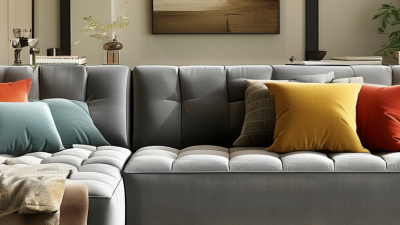
Modern sectional sleeper sofas are more versatile in design. They often feature modular components that can be rearranged to suit different spaces. This adaptability is increasingly popular, with about 30% of consumers gravitating toward this style for its trendy look. However, buyers should be cautious about the quality of materials used, as not all manufacturers meet high standards.
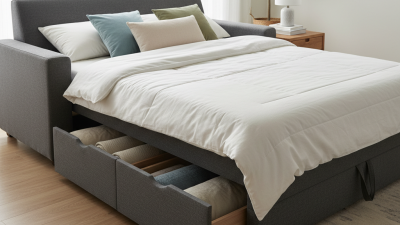
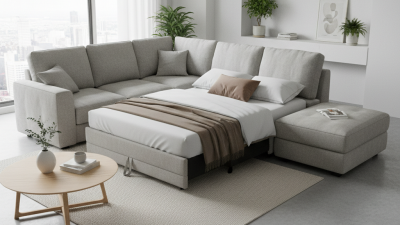
Convertible sofas give a different experience altogether. They often resemble standard sofas and are equipped with a mechanism for folding out into a bed. While convenient, some models might compromise comfort for space-saving benefits. A survey found that 25% of owners felt dissatisfied with the comfort of their convertible design after extended use. Assessing the pros and cons of each type is a vital step in making the best choice for your home.
Key Features to Consider When Selecting a Sectional Sleeper Sofa
When selecting a sectional sleeper sofa, focus on key features that enhance both comfort and functionality. A sofa’s size is crucial; ensure it fits your space. Measure your area carefully. A large sofa may overwhelm a small room, while a compact model can seem lost in a big space.
Another significant aspect is the mattress quality. A thin mattress might lead to discomfort for your guests. Opt for a thicker, high-density foam or innerspring mattress for better support. Check the design as well; a sofa with a simple reclining feature may offer more versatility.
Consider materials and ease of cleaning. Fabrics like microfiber or leather are often durable and easier to maintain. Pets and kids can make a mess, so a resilient fabric is beneficial. Finally, reflect on your needs. Does the sofa fit your lifestyle? A statement piece may attract attention, but practicality is key. Balancing aesthetics and function will lead to a better choice overall.
Top Tips for Choosing the Best Sectional Sleeper Sofa
| Feature |
Description |
Considerations |
| Size |
Choose a size that fits your space and accommodates your guests. |
Measure your room before selecting a sectional. |
| Material |
Look for durable fabrics like microfiber, leather, or polyester. |
Consider the cleaning and maintenance needs of different materials. |
| Style |
Select a design that complements your existing decor. |
Think about color, shape, and overall aesthetic appeal. |
| Sleeper Mechanism |
Types include pull-out beds, fold-downs, or futons. |
Consider ease of use and comfort for sleeping. |
| Comfort |
Test out the seating and mattress firmness. |
Look for high-density foam or coil mattresses for better support. |
| Price |
Set a budget that reflects the quality and features needed. |
Balance between cost and durability for long-term use. |
Assessing Your Space and Layout for a Sectional Sleeper Sofa
When considering a sectional sleeper sofa, evaluating your space is crucial. Measure the dimensions of the room. According to the American Society of Interior Designers, nearly 30% of people underestimate space requirements when choosing furniture. This can lead to a crowded living area or an awkward layout.
Think about the flow of your space. Place the sofa in a way that maintains clear pathways. Creating a comfortable layout enhances the room's functionality. It’s essential to consider doorways and windows as well. A poorly positioned sofa can block natural light or hinder access to other areas.
Evaluate the sectional's shape and size. An L-shaped model may fit snugly in a corner, while a U-shaped sectional offers more seating. However, too large a piece can dominate the room. A survey by the Furniture Today indicates that 45% of consumers regret choosing furniture without considering their room's proportions. Selecting the right sectional requires careful thought, ensuring that it complements your space rather than overwhelming it.
Material Options: Choosing the Right Fabric for Comfort and Durability
Choosing the right fabric for your sectional sleeper sofa can significantly impact comfort and durability. Different materials have unique properties that cater to various needs. For example, microfiber is soft and easy to clean, making it a practical option for families. However, it may not be as durable as leather during heavy use. Likewise, leather offers longevity and a timeless look. Yet, it can feel hot in summer and cold in winter.
When selecting, consider how you use the sofa. If you have pets or kids, opt for stain-resistant fabrics. Look for materials that can withstand wear and tear, such as polyester blends. While natural fibers like cotton are breathable and comfortable, they may not be as durable. Think about your lifestyle. A busy household might need tougher, more resilient options.
Remember to test the texture. Sit on the sofa and feel how the fabric interacts with your body. Some options may look great but feel scratchy or stiff. Pay attention to the seams and stitching. Poor craftsmanship can lead to unraveling and wear. Reflect on these details to ensure you make a well-informed choice that balances comfort, durability, and aesthetics.
Budgeting for a Quality Sectional Sleeper Sofa Without Overspending
When budgeting for a sectional sleeper sofa, it’s essential to be mindful of quality. A well-constructed sofa can make a significant difference in comfort and longevity. Look for frames made from solid wood, as these tend to be sturdier than particle board. You might want to test the sofa in person. Sit on it, lie down, and check how it feels. Comfort is key, and personal preference varies widely.
Consider the materials used for upholstery. Fabric sofas can range in price and durability. Leather options may be more expensive but can offer easier maintenance. Don’t forget that color and style will affect your choice too. Keep an eye out for sales and discounts to find deals without compromising quality.
Think about the long-term investment this sofa represents. Placing too much emphasis on aesthetics might lead to regret later. Assess your space accurately, ensuring the sofa fits both your style and your needs. Reflect on how often your sofa will be used as a bed. If it’s for frequent use, prioritize comfort above all. Choose wisely, and you’ll enjoy your purchase for years to come.
Average Budget Range for Quality Sectional Sleeper Sofas