Why Choose a Platform Bed Frame?
A platform bed frame can change a bedroom without adding visual clutter. Its low profile and built-in support create a clean outline, often without requiring a separate box spring. Before choosing one, though, check the mattress maker’s support requirements. Slat spacing matters. So does the frame’s weight capacity.
Interior designer Nate Berkus has said, “Your home should tell the story of who you are, and be a collection of what you love.” That idea applies to the bed, too: it is a large, practical piece that shapes the room’s look and feel. A wood platform bed frame may bring warmth; a metal design can feel lighter and more spare. Storage drawers can help in a small room, but they need clearance to open. Small details count.
This guide looks at the everyday trade-offs behind choosing a platform bed frame: support, materials, height, assembly, and storage. It also considers who may prefer a different setup. A low frame can be harder to get in and out of, and not every mattress works well with every slat design. Those limitations are easy to overlook in product photos. Measure the room, read the specifications, and consider how you actually use your bedroom. The right choice is not always the most stylish one. Sometimes, the best frame is simply the one that fits your mattress, space, and routine—with a little room left to rethink it.
What Defines a Platform Bed Frame?
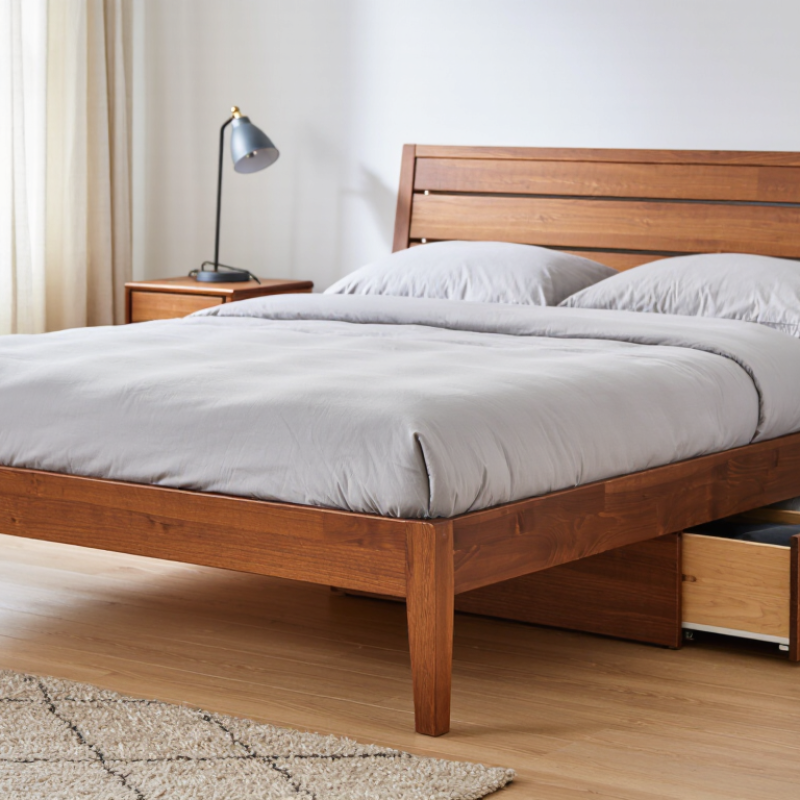
A platform bed frame is a bed base designed to support a mattress directly, usually without a box spring. Its defining feature is a firm, raised surface made from wooden slats, a solid panel, or a combination of both. The frame may have a headboard, but that is optional. So is extra storage.
Look underneath. Slatted versions have visible gaps that allow air to circulate around the mattress. Those gaps matter: check the mattress maker’s guidance for maximum spacing, since wide gaps can reduce support. A solid deck feels more uniform, though airflow may be lower. The frame should also sit level and feel steady when weight shifts from one side to the other. Small details count. A loose joint can creak at night.
Platform frames often create a clean, low profile, and many work well in smaller rooms. But “platform” does not automatically mean sturdy or suitable for every mattress. Materials, center support, and construction vary. A heavy mattress may need a reinforced center rail and extra legs. Measure the frame before buying; mattress dimensions and frame dimensions are not always identical. There is a trade-off, too: a low frame can look tidy, but getting in and out may feel awkward for some people. It’s worth questioning the style before assuming it fits daily life.
How a Platform Bed Frame Supports a Mattress
A platform bed frame supports a mattress with a firm, level base rather than a separate box spring. The surface may use closely spaced slats, a solid panel, or a combination of both. When weight presses down, these supports spread it across the frame and help limit sagging. That matters during sleep and when someone sits on the bed’s edge.
Slat spacing deserves a close look. If gaps are too wide for a mattress type, sections may dip between slats or wear unevenly. Foam mattresses often need closer support than some spring models, but the mattress maker’s guidance is the safest reference. Check the center rail, too. A queen-size frame without adequate middle support may flex over time, especially with two sleepers. Small details count.
A platform frame can also lift a mattress off the floor, leaving room for air to move underneath. That may help the sleep surface dry after ordinary moisture builds up, though it cannot replace a clean, ventilated room. I used to think a sturdy-looking frame was enough. Not quite. Press gently across the slats and inspect their spacing before placing the mattress. A frame can look solid and still offer uneven support.
Which Mattress Types Work with Platform Frames?
Why Choose a Platform Bed Frame? Which Mattress Types Work with Platform Frames?
Platform frames suit memory foam, latex, and many hybrid mattresses because their firm, even surface helps limit sagging. Innerspring mattresses can also work, but check the mattress maker’s support requirements; some need a box spring or closer slats. The details matter. Sleep Foundation’s platform-bed guidance recommends keeping slats no more than 2.75 inches apart for foam mattresses. Wider gaps can leave soft foam unsupported, especially beneath the hips. Hybrid models are often heavier, so confirm the frame has strong center support and a suitable weight rating. A platform can also make a mattress feel firmer than it does on flexible box springs. That change is easy to overlook.
Tips: Measure the slat gaps before buying. Check your mattress manual for base requirements, then inspect the frame’s center rail and support legs. If the guidance is unclear, ask the mattress maker; guessing is not ideal.
What Practical Benefits Does a Platform Bed Offer?
A platform bed offers a straightforward way to support a mattress. Its solid deck or evenly spaced slats usually remove the need for a separate box spring, which can mean fewer parts to buy and assemble. That is convenient. Before choosing one, check the mattress maker’s support requirements; slat spacing and weight limits vary between frames.
The open space beneath some platform beds can hold storage bins, spare bedding, or shoes. Other models sit close to the floor, giving a room a less bulky look but leaving little room for storage. A low frame may also feel harder to get in and out of, especially if the mattress is thin. Small details matter.
A stable, level base can help keep a mattress from shifting during ordinary use. Slatted designs also leave room for air to circulate underneath, though airflow depends on the frame and the room. Assembly quality matters too: loose joints may creak, and uneven support can affect comfort. It is easy to focus on appearance and overlook these practical checks. Measuring the room, mattress, and available clearance first can prevent a frame from feeling cramped once it is in place.
What Factors Should You Consider Before Choosing One?
Why Choose a Platform Bed Frame?
What Factors Should You Consider Before Choosing One?
Before choosing a platform bed frame, check the mattress dimensions and the room’s usable floor space. Measure doorways too, since a frame that fits the bedroom may be awkward to carry upstairs. Decide whether you want a low, grounded look or more clearance underneath for storage. Some platform frames have fixed slats, while others use a solid deck. Confirm the mattress maker’s support requirements before buying. Slat gaps matter. Wide gaps may reduce support for some mattresses, so verify the recommended spacing rather than guessing.
Think about height, materials, and daily use. A frame with drawers can save space, but the drawers need room to open beside a wall or nightstand. If you sit on the edge to dress, check the frame height with your mattress included; a few inches can change how comfortable it feels. Wood may show dents or scratches, while upholstered sides can collect dust and need occasional cleaning. Easy to miss. Check weight limits, center support, and assembly instructions, especially for a larger mattress or two sleepers. Read the return policy as well. A frame might look right online but feel too low in your room. Measuring twice is tedious, but it can prevent an expensive mismatch.