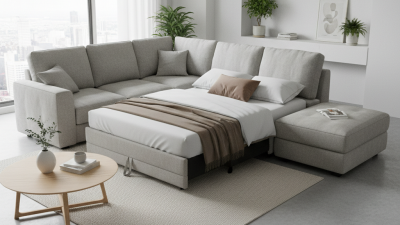
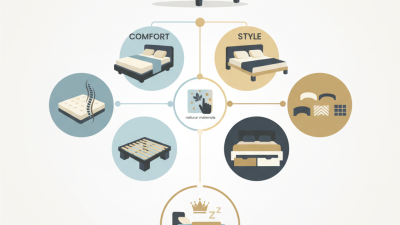
What Are the Top Types of Sofa Beds?
A sofa bed can solve two everyday problems: providing a place to sit and creating a sleeping spot when guests stay over. Yet the name covers several designs, and they do not all feel or function alike. A pull-out model hides a mattress beneath the seat, while a futon folds its back down to form a flatter surface. Click-clack styles use a hinged frame, and daybeds keep a more bed-like shape even when dressed as seating. Each has trade-offs.
The right choice depends on the room, the people using it, and how often it will be opened. Measure the space with the sofa closed and fully extended; a compact living room can feel very different once the frame unfolds. Check the mattress size, seat depth, opening mechanism, and where bedding can be stored. Small details matter. A thick mattress may improve comfort, but it can also make the sofa bulkier. A simple folding frame may save space, though some sleepers may notice its firm surface.
There is no single best type for every home. Occasional guests may need a different setup from someone sleeping on it each night. Product descriptions can help, but they rarely answer every comfort question. If possible, test the seat and sleeping surface in person, and check the return terms before buying. The sections below compare the main sofa bed types, their practical strengths, and the compromises worth considering. Even with careful research, comfort remains personal. That part is easy to underestimate.
Core Sofa-Bed Types: Pull-Out, Futon, Click-Clack, and Convertible
What Are the Top Types of Sofa Beds?
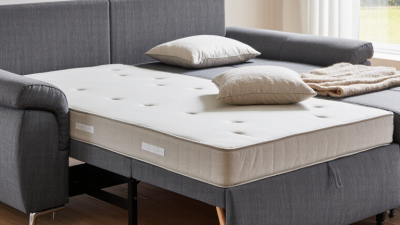
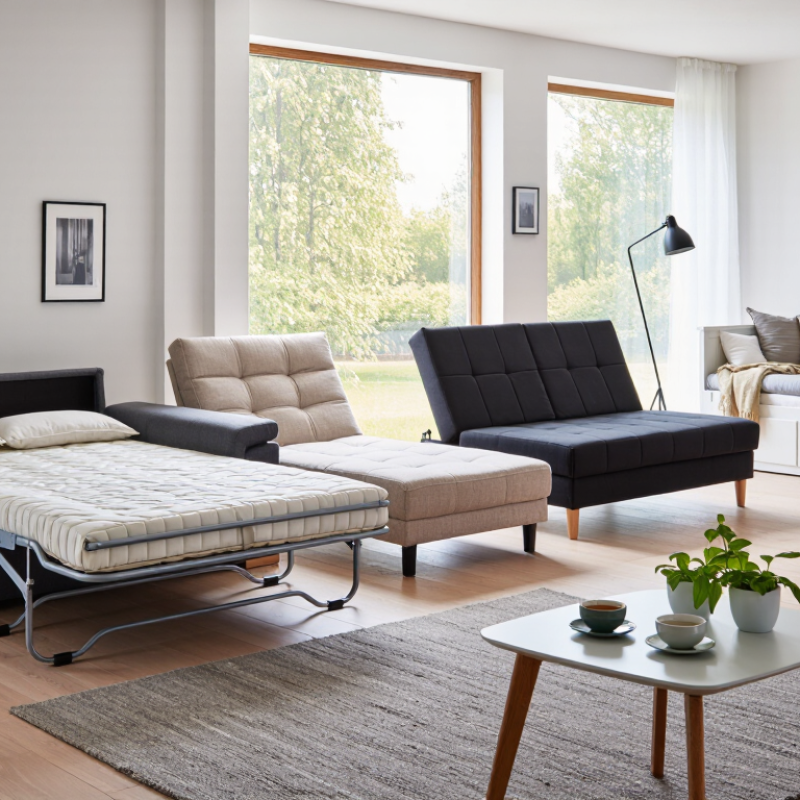
Pull-out sofa beds hide a separate mattress beneath the seat. They can feel closer to a regular bed, but the frame and mattress add weight. Measure the room with the bed fully open. Check that a coffee table or door will not block it. Small detail, big difference.
Futons fold their mattress and frame into a sofa, making them useful in compact rooms. Their comfort depends heavily on mattress thickness and support. Click-clack models usually shift the backrest into a flat position with a hinge. The mechanism is simple, though the seam across the sleeping surface may bother some sleepers. Convertible sofa beds cover a wider range of designs, from reclining backs to rearranged sections. Names can overlap, so inspect how each model opens rather than relying on its label. That part is easy to overlook.
Tips: Test the opening motion in person if possible. Look for clear instructions and check the sleeping surface for gaps. Measure the bed area, not just the sofa. A sofa bed is still a compromise, and comfort can vary more than showroom lighting suggests.
Pull-Out Sofa Beds: Hidden Frames and Separate Mattress Support
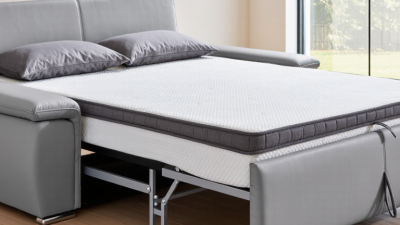
Pull-out sofa beds use a folded frame hidden beneath the seat cushions. When opened, the frame extends and supports a separate mattress. This design gives guests a more familiar sleeping surface than many sofa beds with integrated cushions. Check the mattress thickness and material, since both affect comfort and how easily the bed folds away. A firm mattress may feel supportive to one person and too hard to another.
The mechanism matters as much as the mattress. Look for a frame that opens smoothly, sits level, and has sturdy-looking joints. Measure the room with the bed fully extended, including space to walk around it. Keep the path clear; a bed that fits on paper may feel cramped beside a coffee table. Pull-outs can be practical, but they are not automatically ideal for nightly use. That part is easy to overlook.
Tips: Open and close the frame before buying, if possible. Check whether sheets stay secure and whether the mattress can be replaced. Leave enough clearance behind the sofa. A small snag: moving heavy cushions each time can become tiresome. It is worth considering who will use the bed and how often.
Futons and Click-Clack Beds: Backrest-Folding Conversion Systems
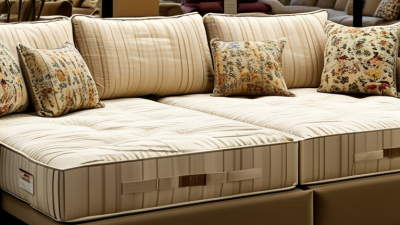
Futons and click-clack beds turn a sofa into a sleep surface by folding the backrest. A futon usually lowers its back onto the seat, creating a broad, relatively flat platform. A click-clack model often moves through set positions, such as upright, reclined, and fully flat. The names vary, so check the actual motion before buying. That detail matters.
Look closely at the hinge, frame, and mattress where they meet. A stable mechanism should move without catching, while the open bed should sit level and leave enough room to walk around it. The U.S. Census Bureau’s 2023 Characteristics of New Housing report lists 2,286 square feet as the median floor area of newly built single-family homes. Even with that much space, a convertible sofa can make one room serve more than one purpose. Still, a flat backrest does not guarantee comfortable sleep. Thin padding can feel firm, and a center seam may press against the body. Test both modes, and measure the folded footprint, too. A little awkwardness is worth noticing before it becomes an everyday problem.
What Are the Top Types of Sofa Beds? - Futons and Click-Clack Beds: Backrest-Folding Conversion Systems
| Sofa-bed type |
How it converts |
Sleeping surface |
Space and setup |
Best suited for |
| Futon |
The backrest folds down to create a flat surface, usually using a hinged or adjustable frame. |
The same mattress or cushioned pad serves as both the seat and bed. |
Usually requires clear floor space in front; conversion is generally straightforward. |
Small rooms, occasional guests, and people who prefer a simple, low-mechanism design. |
| Click-clack sofa bed |
The backrest moves through hinged positions and folds flat; a locking mechanism often holds the selected position. |
The seat and backrest form the sleeping surface, which may have a seam where the sections meet. |
Typically needs open space in front and little or no separate mattress storage. |
Multi-use rooms where a sofa, reclined seat, and occasional bed are useful. |
| Pull-out sleeper sofa |
Seat cushions are removed or lifted, then a folded bed frame and mattress are pulled out from inside the sofa. |
Uses a separate mattress, commonly available in different thicknesses and materials. |
Needs clearance in front and can be heavier to open than backrest-folding designs. |
Homes that need a more distinct guest bed and have room for the extended frame. |
| Fold-down sofa bed |
The seat and back sections unfold or lower into a flat sleeping position, often without a pull-out mattress frame. |
The sofa cushions become the bed surface; comfort depends on cushion construction and the join between sections. |
Usually has a simple conversion, but the open bed occupies floor space in front. |
Compact living spaces and occasional overnight use. |
| Daybed with trundle |
A lower bed frame rolls or slides out from beneath the daybed; some designs raise to align with the main bed. |
Provides a separate mattress on the main frame and a second mattress in the trundle. |
Needs floor clearance for the trundle and storage space for bedding. |
Guest rooms or shared spaces where two sleeping places may occasionally be needed. |
Note: Exact dimensions, mechanisms, and comfort vary by model. Check the open-bed measurements and required floor clearance before choosing.
Convertible Sofa Beds: Designs That Transform Without a Pull-Out Frame
Convertible sofa beds create a sleeping surface by repositioning the seat or back instead of pulling a hidden mattress from a frame. Common designs include click-clack backs that recline flat, futon-style seats that unfold, and modular cushions that can be rearranged. No pull-out frame. In a compact room, this can preserve floor space and avoid a bulky storage drawer. The changeover is usually simple, though some hinges need a firm push.
Try converting the sofa in person, if possible. Move it from upright to flat, then check whether the sleeping surface feels even beneath your hands. A visible dip between cushions can become uncomfortable after several hours. Also measure the open footprint; a sofa that fits neatly against a wall may need extra clearance when reclined. These designs often suit occasional guests, but nightly use puts more wear on seat cushions. I once assumed a thicker-looking seat would feel better for sleeping; it did not. Cushion firmness and a flat, stable surface matter more than appearance alone.
Mattress Sizing (Sleep Foundation): Twin 38×75, Full 54×75, Queen 60×80 in
Sofa beds vary by mechanism, but mattress width and length often determine whether one feels practical. Sleep Foundation’s mattress-sizing guide lists Twin at 38 × 75 inches, Full at 54 × 75 inches, and Queen at 60 × 80 inches. These figures are useful benchmarks, not a guarantee: sofa-bed mattresses can have different dimensions, so check the actual sleep surface before buying. A Twin pull-out suits one sleeper and narrow rooms, while a Full gives a solo sleeper more room to turn. Both are 75 inches long.
A Queen sofa bed adds six inches of width and five inches of length over a Full, which can matter for couples or taller guests. Measure the mattress, open-bed footprint, and walking path; a sofa that fits closed may block a doorway when extended. Measure twice. Click-clack and futon-style designs fold their seat cushions flat, while pull-out models conceal a separate mattress. Comfort depends on cushion construction, support, and how evenly the surface lies—not size alone. I would not assume “Queen” guarantees a standard 60 × 80-inch sleep surface without checking. A tape measure can prevent a frustrating surprise.
Top Sofa Bed Mattress Sizes Compared
Mattress surface area by standard size
Twin mattresses measure 38 × 75 inches, full mattresses 54 × 75 inches, and queen mattresses 60 × 80 inches. The chart compares their approximate surface areas in square feet, calculated from these dimensions.