Top 10 Sleeper Sofas for Small Spaces What to Choose?
The modern home embraces versatility, and a sleeper sofa is a prime example. In small spaces, this dual-purpose furniture piece can change the game. It offers a cozy place to sit during the day and transforms into a bed at night.
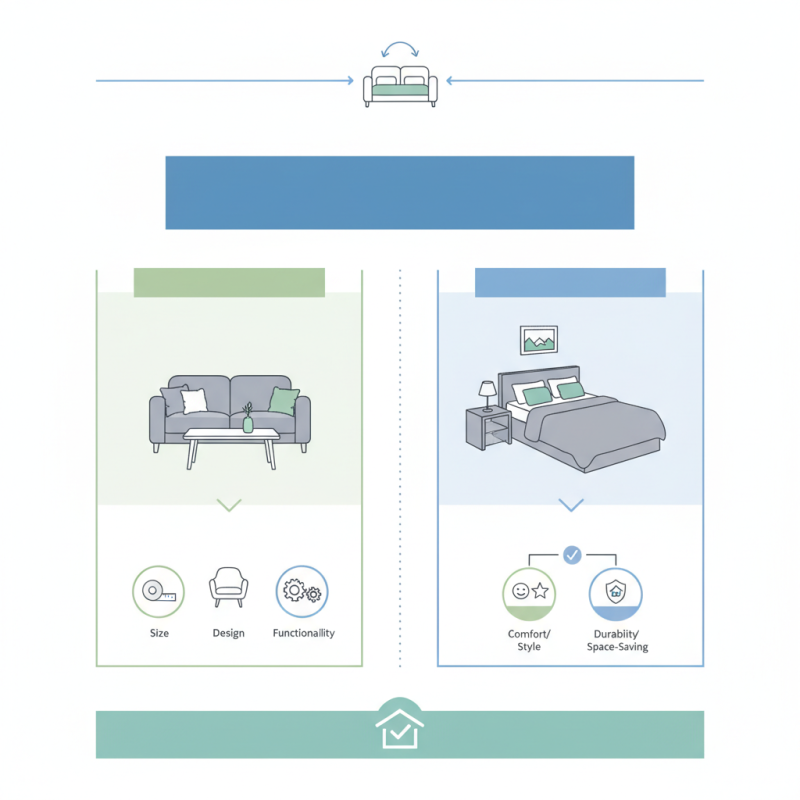
Choosing the right sleeper sofa is not as straightforward as it seems. You must consider size, design, and functionality. Some options may look stylish but lack comfort. Others might possess great durability but fall short in aesthetics. You shouldn't rush this decision. Weigh the pros and cons carefully.
For small living areas, a sleeper sofa can save valuable square footage. However, the wrong choice can lead to frustration. A mismatch in style or comfort can overshadow your living experience. Making the right selection is crucial to create a functional and inviting space.
Understanding the Importance of Sleeper Sofas in Small Spaces
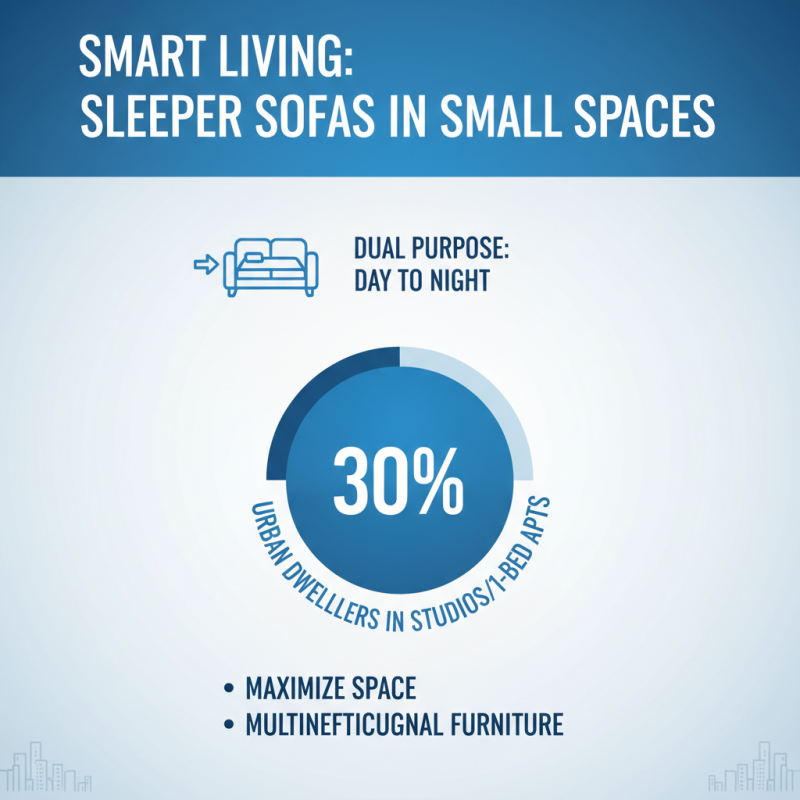
Sleeper sofas are essential in small spaces. They offer a dual purpose: seating by day and a bed by night. In a recent study, it was shown that 30% of urban dwellers live in studios or one-bedroom apartments. This trend highlights the growing need for multifunctional furniture.
Choosing a sleeper sofa requires careful consideration. Many models can fit through narrow doorways. A compact design can save valuable square footage. However, some sleeper sofas compromise comfort for size. It’s crucial to find one that balances both needs.
Storage is another vital factor. Many sleeper sofas offer hidden compartments for bedding. This keeps small spaces organized. Interestingly, 62% of users reported that such features significantly improved their living experience. Yet, not all sofa beds provide easy access to this storage. Users must assess these details before making a decision.
Key Features to Look for in a Sleeper Sofa
When choosing a sleeper sofa for small spaces, focus on key features that enhance functionality. Look for a compact design that doesn't overwhelm your room. Sofas with a fold-out bed mechanism are popular, but some may be bulky. A slim profile can save space. Ensure the transition from sofa to bed is smooth and easy. Test it before making a decision.
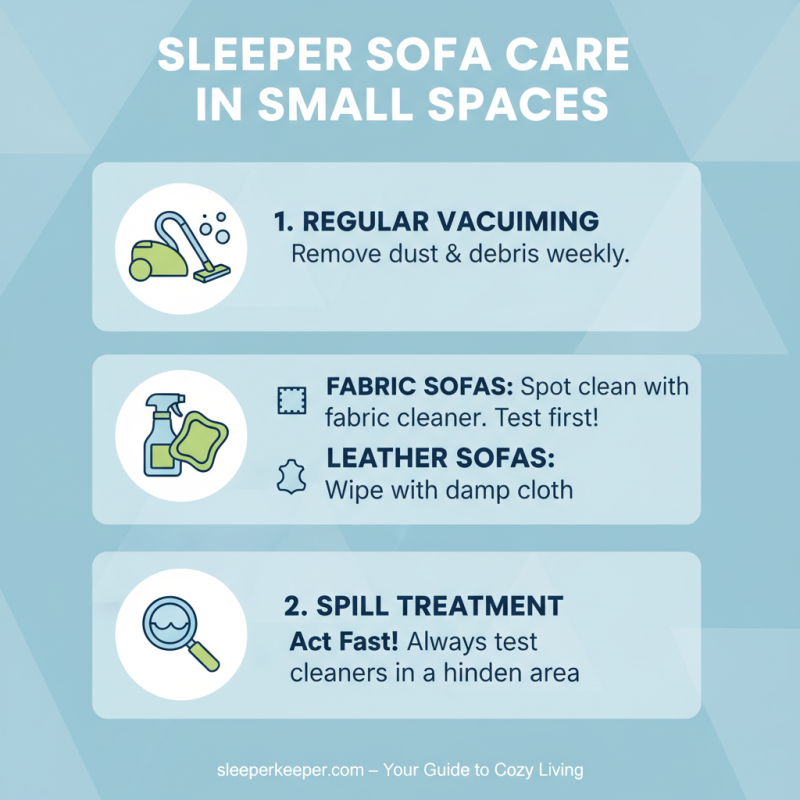
Comfort is essential, but so is style. Choose fabrics that are durable and easy to clean. Patterns can add personality, but also consider color. Dark shades might absorb light and make a small room feel cramped. Meanwhile, lighter tones can create an illusion of spaciousness. Pay attention to the mattress quality as well. A thin mattress may feel uncomfortable over time.
Storage options are often overlooked. Some designs offer hidden compartments for blankets and pillows. This feature can declutter your space. However, these compartments may not always be easy to access. It's essential to weigh the pros and cons before deciding. Remember to consider your own needs too. A perfect choice for a friend might not work in your home.
Top 10 Sleeper Sofas Reviewed for Space Efficiency
When choosing a sleeper sofa for small spaces, space efficiency is key. A well-designed sleeper sofa can save you room while providing comfort for guests. Look for options with a sleek silhouette. Compact sofas can blend seamlessly with your existing decor.
Consider the material thoughtfully. Fabrics that are easy to clean are ideal. A light color can brighten a small area. Yet, darker shades may hide stains better. Balance aesthetics with practicality. Functionality is crucial; ensure the sleeper mechanism is user-friendly.
Tips: Measure your space before making a decision. This will help avoid the disappointment of a poor fit. Also, think about how often you will use it. If it’s frequent, durability should be a priority. Don’t rush into a choice. Take time to find something that suits your needs and enhances your space.
Tips for Choosing the Right Sleeper Sofa for Your Needs
Choosing the right sleeper sofa for small spaces can be daunting. Consider room dimensions first. A sofa that folds into a bed should not overwhelm your area. According to a 2020 report by the American Home Furnishings Alliance, over 50% of consumers prioritize size over comfort when selecting furniture for compact homes.
Next, think about the mattress type. Some sleeper sofas come with thin mattresses. They may not provide adequate support for a good night's sleep. A memory foam option can be a better choice. However, these can increase the sofa's weight. This might not suit every small space as maneuverability is important.
Also, consider the sofa's style and versatility. Opt for a design that complements your decor. Neutral colors may work well but can look bland. Bold choices can add personality but might clash with existing styles. Ultimately, aim for balance. Measure carefully and analyze your storage needs. Small spaces require thoughtful solutions.