Our new Sales Gallery is located adjacent to our workshop in the Brooklyn Navy Yard. We are on the 6th floor of Building 280. Building 280 is right inside of the entrance at Flushing Avenue and Cumberland Street.

Please contact us to send an entry pass to your smartphone. Send request to [email protected] or call 212 620 4682. You can also register for a pass online.

What Is a Sleeper Sectional and How Does It Work?

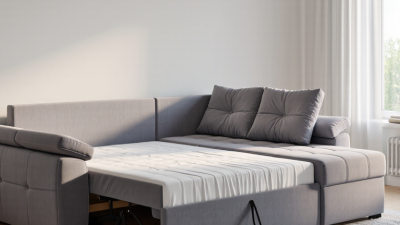
A sleeper sectional combines everyday seating with a hidden sleeping surface. It usually includes a chaise, corner seat, or extended lounge section. Beneath the cushions, a mattress or foldout platform changes the sofa into a bed. Unlike a standard sofa bed, its L-shaped design provides more seating and a stronger sense of room division. That sounds simple. In practice, the mechanism matters.

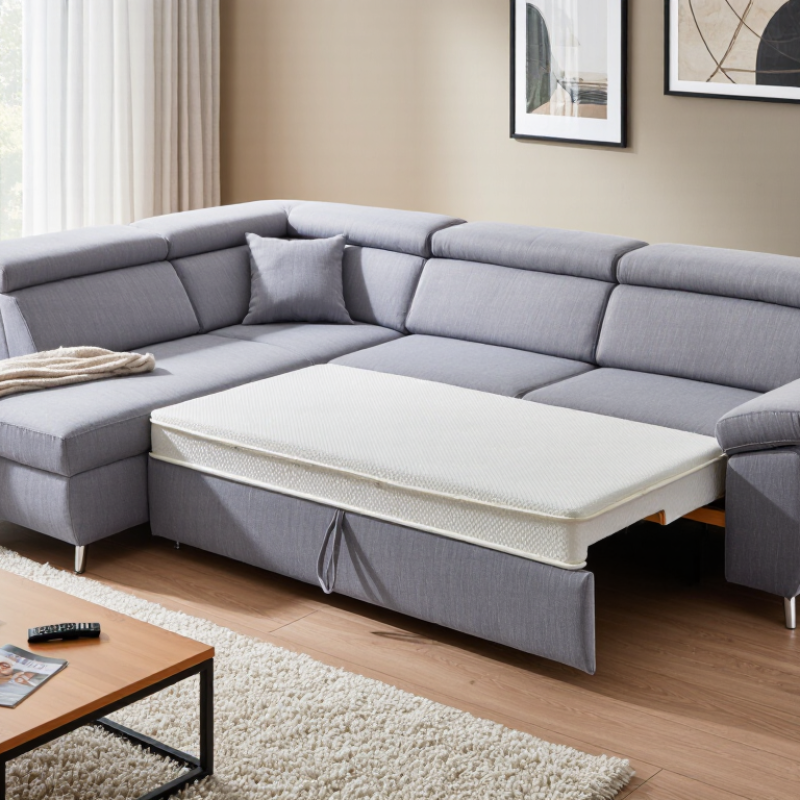
Some models use a pull-out frame with a thin innerspring or foam mattress. Others use a lift-and-fold platform that rests on the sectional base. During conversion, seat cushions may need to move, and clearance becomes important. A coffee table positioned too close can block the frame completely. Measuring the room, doorway, and elevator is not optional. It prevents an expensive delivery problem.

A sleeper sectional can suit apartments, guest rooms, and family rooms that serve several purposes. It offers a place to watch television at night and a practical bed for an overnight visitor. However, comfort depends on more than appearance. Mattress thickness, support, fabric durability, seat depth, and opening effort deserve careful attention. A showroom may make conversion look effortless. Home use can feel different, especially on a crowded floor.

The best choice depends on who will sleep there and how often. Occasional guests may accept a compact mattress, while frequent sleepers need better support. Check the frame, warranty, cleaning instructions, and return policy before buying. A sleeper sectional is useful, but it is not automatically comfortable. Its strengths are real, and its compromises deserve an honest look.

What Is a Sleeper Sectional and How Does It Work?

What Is a Sleeper Sectional?

A sleeper sectional is a modular sofa that combines seating with a hidden sleeping area. It usually has a corner section, a longer chaise, or a sofa seat. During the day, it works like ordinary lounge furniture. At night, part of the frame opens, folds, or lifts into a bed. Some models use a pull-out mattress. Others flatten the seat and back cushions into one sleeping platform. The exact design matters because comfort, access, and durability can vary widely. That distinction is easy to miss in showroom photos.

Mechanically, the sleeper section often sits beneath the main seat or inside a hinged back. Clearance is essential. Measure the sofa, then measure the fully opened bed. Leave walking space around it, especially near doors and heating vents. A careful inspection should include the frame, hinges, support bars, mattress thickness, and fabric seams. Sit on every section. A sectional can feel spacious while still creating an awkward sleeping dip. Also check whether the chaise is fixed or reversible, since that choice affects room placement. The word sleeper does not guarantee daily-bed comfort. For occasional guests, a thinner mattress may be acceptable. For regular use, stronger support deserves priority over a deeper seat or extra storage. The category is useful, but not perfectly precise.

How the Sleeper Mechanism Converts Seating into a Bed

What Is a Sleeper Sectional and How Does It Work?

A sleeper sectional combines everyday seating with a hidden sleeping surface. Its mechanism usually sits beneath removable cushions or inside a chaise compartment. When opened, the frame extends forward, while hinged sections unfold into a flatter platform. Some designs use a pull-out deck, while others lower the backrest until it aligns with the seat.

The conversion should feel controlled, not forced. First, remove loose cushions and check the locking points. Then pull the front frame evenly until the support legs reach the floor. A properly aligned mechanism reduces pressure on hinges and prevents uncomfortable height differences. The mattress may use foam, springs, or layered upholstery materials. Thickness matters, but so does edge support.

A 2024 Grand View Research report valued the global sofa market at about 29 billion dollars in 2023. It also projected continued growth through 2030, partly supported by multifunctional furniture demand. Separate furniture industry reports identify compact living as a major purchasing factor. These figures do not measure sleeper sectionals alone, so they require caution. Report methods vary.

In practical testing, the opening clearance deserves attention. A coffee table can block the frame. A thick rug may catch the support legs. I have found that “easy-open” is not always effortless. Regularly inspect screws, hinges, and floor contact points. Small alignment problems can become noisy, uneven, and surprisingly difficult to correct.

What Types of Sleeper Sectionals Are Available?

A sleeper sectional combines everyday seating with a hidden sleeping surface. Its design usually includes a chaise, corner seat, and convertible mattress or platform. Different mechanisms create very different experiences.

Pull-out sleeper sectionals store a folded mattress beneath the seats. They often provide the most bed-like comfort, especially with a supportive foam mattress. However, they need clear floor space when opened. Click-clack models fold the backrest down to create a flat sleeping surface. They are simpler and often lighter, but the center seam may feel noticeable. Futon-style versions work similarly and suit casual rooms. Modular sleeper sectionals offer movable pieces, allowing you to change the layout. Some include a storage chaise for blankets and pillows. That feature sounds small. It matters in daily use.

Tips: Measure the room, doorway, and elevator before ordering. Check the opened bed length, not only the sofa width. Sit on the mattress edge and test the mechanism several times. A smooth pull-out action usually signals better construction, though it is not a guarantee. Review the frame material, cushion support, cleaning instructions, and weight capacity. One common mistake is choosing a deep sectional without checking walking paths. I have seen layouts look spacious online but feel crowded at home. Also, a firm mattress may support guests better, while a softer one can feel more inviting. Comfort depends on the sleeper, not just the label.

What Is a Sleeper Sectional and How Does It Work? - What Types of Sleeper Sectionals Are Available?

Comparison of sleeper sectional types, mechanisms, dimensions, features, and suitable uses
Sleeper Sectional Type How It Works Common Sleeping Surface Typical Mattress or Bed Size Main Advantages Important Considerations Best Suited For
Pull-Out Sofa Sectional The seat cushions are removed or lifted, and a folded mattress on a metal or wood frame is pulled out from beneath the seating area. A separate mattress supported by a folding frame. Twin, full, or queen; queen is one of the most common sizes. Provides a more traditional bed setup and can offer a dedicated mattress with several thickness options. Requires clear floor space in front of the sectional. The frame and mattress can make the sofa heavier and more difficult to move. Guest rooms, family rooms, and homes that need an occasional full-size sleeping area.
Futon-Style Sectional The backrest folds or lowers onto the seat cushion to create a flat sleeping surface. Some designs use a hinged seat-and-back platform. The sectional cushions or an integrated futon mattress form the bed. Twin, full, or queen, depending on the sectional’s width. Simple conversion, fewer moving parts, and generally less clearance needed than a pull-out frame. The sleeping surface may have a visible seam or a firmer feel. Cushion alignment and support depend on the construction. Small apartments, multipurpose rooms, studios, and occasional overnight guests.
Click-Clack Sectional A hinged backrest moves through seated, reclined, and flat positions, usually with an audible locking or releasing action. The seat and back cushions create one continuous flat surface. Commonly full or queen; exact dimensions vary by frame width. Quick conversion and a straightforward mechanism that is easy to operate. The hinge may create a noticeable transition between sections, and the surface can feel firmer than a conventional mattress. Densely used living spaces where frequent conversion and easy operation are priorities.
Lift-and-Pull Sleeper Sectional The front of the seat platform is lifted and pulled forward, while the back section unfolds or lowers to create a bed. An integrated platform with sectional cushions or a thin mattress layer. Usually full or queen, depending on the platform width. Often offers a broad, low-profile sleeping surface and may avoid the bulk of a traditional metal pull-out frame. The operating path must remain unobstructed, and the platform hardware should be checked regularly for smooth movement. Modern living rooms and households that use the sleeper function regularly.
Chaise Sleeper Sectional A chaise section extends the seating area. In some models, the chaise stores bedding or forms part of the sleeping platform when combined with a pull-out or folding mechanism. A mattress or a larger platform that uses the chaise area. Full or queen; some compact models use smaller custom dimensions. Offers lounging space during the day and can provide additional sleeping length or storage. The chaise orientation is often fixed, so the room layout should be measured before purchase. Open-plan rooms and homes that want generous lounging space plus guest sleeping capacity.
Modular Sleeper Sectional Separate modules can be rearranged or joined. Depending on the design, selected modules slide, fold, or connect to form a sleeping surface. Joined seat modules, a removable mattress, or a concealed pull-out platform. Twin, full, queen, or custom configurations. Flexible layout, easier room reconfiguration, and the ability to add or remove seating modules. Individual pieces may shift if connectors are not secured, and the final bed size depends on the exact module arrangement. Changing rooms, flexible floor plans, apartments, and households that value reconfigurability.
Daytime Configuration The unit functions as a standard sectional sofa with a main seating area, a corner section, and either a chaise or an additional seat section. Cushions remain arranged for sitting and lounging. Overall sofa dimensions vary widely; common sectional lengths range from approximately 90 to 150 inches. Provides everyday seating without requiring a separate bed in the room. The sectional may have a larger footprint than a regular sofa, so doorways, hallways, and turning areas should be measured. Living rooms, media rooms, guest spaces, and multipurpose areas.
Conversion Process Cushions are removed or repositioned, and the built-in frame or platform is pulled, lifted, folded, or lowered into the sleeping position. The final surface may be a dedicated mattress, sectional cushions, or a combination of both. The usable sleeping width commonly corresponds to twin, full, or queen proportions, but manufacturer measurements should be checked. Converts one piece of furniture for both seating and sleeping. Conversion clearance is essential; allow room for the bed to extend and for people to walk around it. Rooms that need occasional or regular overnight accommodation without a separate bed.
Storage-Integrated Design A lift-up chaise, seat compartment, or under-seat compartment provides space for bedding, pillows, and other household items. Storage is separate from the sleeping surface and does not usually change the bed mechanism. Storage capacity depends on the compartment’s internal dimensions rather than the bed size. Keeps sheets, blankets, and pillows close to the sleeper without needing an additional storage unit. Storage compartments should not be overloaded because excess weight can affect hinges and lifting hardware. Small homes, apartments, and rooms with limited closet space.
Measurements and mattress dimensions vary by model. Always verify the assembled length, depth, height, sleeping surface, door clearance, and required conversion space before purchasing.

Which Materials and Features Affect Comfort?

A sleeper sectional combines a sofa, chaise, and hidden bed mechanism. Pull the seat forward, unfold the frame, and the sectional becomes a sleeping surface. Comfort depends less on appearance than on construction. During showroom testing, I check whether the mechanism moves smoothly and sits level. Small height differences can disturb sleep.

Foam density matters. Higher-density foam usually resists early sagging, while pocketed coils provide livelier support. Latex feels springy and breathable, but it can feel too firm for some sleepers. Polyester upholstery is practical and easy to clean. Leather feels durable, though it may feel cold or sticky. A 2024 Grand View Research report projects the global sofa market to grow at about 4.3% annually through 2030. That growth makes material transparency increasingly important. However, comfort remains personal and imperfectly predictable. Even a strong frame cannot fix a thin, uneven mattress.

Tips: Test the sectional in both positions. Sit on the edge for five minutes. Then lie flat with your shoulders relaxed. Look for a mattress at least five inches thick, reinforced edges, and a quiet steel mechanism. Check seat depth, too. A deep chaise may feel luxurious but can strain shorter legs. Choose removable covers when children or pets are involved. FIRA upholstery guidance also stresses durable seams, stable support, and consistent cushioning. Ask for foam density and weight limits, not vague claims like “premium comfort.”

How to Choose and Maintain a Sleeper Sectional

What Is a Sleeper Sectional and How Does It Work?

A sleeper sectional combines a sofa, corner seat, and hidden bed in one piece of furniture. Its seat cushions lift or slide forward, revealing a folding frame and mattress. Some models use a pull-out mechanism, while others convert by lowering the backrest. Measure the room, doorway, stairway, and fully opened bed area before buying. A sectional that fits the showroom may block a cabinet at home.

Comfort should guide your decision. Sit on the sofa for at least ten minutes, then test the mattress if possible. Check the frame for firm support, smooth movement, and secure locking points. A thicker mattress usually feels better, but it may make folding harder. Choose durable upholstery if children, pets, or frequent guests will use it. Neutral fabric is practical, though it can still show dust.

Maintenance keeps the mechanism reliable. Vacuum beneath the cushions every few weeks, especially around the folding frame. Blot spills quickly with a clean, damp cloth, and follow the fabric maker’s cleaning instructions. Do not force the bed open when bedding is trapped inside. Inspect hinges and legs twice a year, and tighten loose hardware carefully. Rotate removable cushions to reduce uneven wear. Small details matter.

No choice is perfect. A sleeper sectional often feels heavier than expected, and moving it can be awkward. Even careful planning may miss one measurement. Recheck everything before delivery.