


Our new Sales Gallery is located adjacent to our workshop in the Brooklyn Navy Yard. We are on the 6th floor of Building 280. Building 280 is right inside of the entrance at Flushing Avenue and Cumberland Street.

Please contact us to send an entry pass to your smartphone. Send request to [email protected] or call 212 620 4682. You can also register for a pass online.

Why Is Konjac Good for the Keto Diet?

Konjac Keto Diet searches often begin with a practical question: can a noodle-shaped food fit a low-carbohydrate meal? Konjac, also called konnyaku, is made from the plant’s glucomannan-rich tuber. Shirataki noodles are typically low in digestible carbohydrates, but nutrition varies by brand. Check the package, drain and rinse the noodles, then compare serving sizes. Small details matter.

The fiber story adds useful context. The U.S. Food and Drug Administration sets the Daily Value for dietary fiber at 28 grams on Nutrition Facts labels. The National Academies’ Dietary Reference Intakes report also gives adult fiber targets that vary by age and sex. Konjac glucomannan can absorb water and thicken, creating a filling texture in soups or stir-fries. Still, a low-calorie noodle is not automatically a nutritionally complete meal. Pair it with suitable protein, vegetables, and a source of fat that fits your needs.

Not magic. The evidence should be read carefully. Research on glucomannan does not prove that konjac causes ketosis or guarantees weight loss. Some people find its slippery texture odd, and large portions may cause digestive discomfort. I would not treat it as a substitute for broader meal planning. For a useful keto choice, check the label, consider your tolerance, and remember that individual needs differ.
Why Is Konjac Good for the Keto Diet?

What Konjac Is and How It Is Made

Konjac comes from the underground corm of Amorphophallus konjac, a plant grown in parts of Asia. The corm is cleaned, peeled, sliced, and dried before being milled into a fine flour. Its main component is glucomannan, a water-soluble fiber that absorbs water and forms a gel. That swelling ability gives konjac its distinctive, springy texture.

To make konjac noodles, producers mix the flour with water and a setting agent, then heat the mixture until it firms. The gel is shaped into strands and rinsed, which helps remove its mild, earthy smell. The process sounds straightforward, but the texture can feel slippery or unusually firm. It takes getting used to. Since glucomannan is largely fiber, many plain konjac foods contain very little digestible carbohydrate, which can suit a keto meal. Still, recipes and nutrition labels vary. Sauces and added starches can change the carbohydrate count, so check the package rather than assuming every konjac product fits your plan.

Konjac’s Nutritional Profile and Net Carbohydrate Content

Konjac is valued on keto menus because its edible root is rich in glucomannan, a soluble dietary fiber. Plain konjac noodles are mostly water and fiber, so they usually provide very few calories and little digestible carbohydrate per serving. Exact figures depend on the product and serving size. Labels vary.

For keto tracking, net carbohydrates are commonly estimated by subtracting fiber from total carbohydrates. This is a useful convention, not a universal nutrition-label standard, and local labeling rules may differ. Check the package rather than assuming every konjac product has zero net carbs. Some include seasonings or other ingredients that add carbohydrates. The noodles can feel slippery and springy, unlike wheat pasta, and rinsing them well helps with their mild aroma. One detail is easy to overlook: a low-carb food still contributes to the day’s total. I would count the stated serving carefully, especially when adding sauce or vegetables.

Why Is Konjac Good for the Keto Diet? - Konjac’s Nutritional Profile and Net Carbohydrate Content

Nutritional dimension Typical amount in 100 g of drained shirataki noodles What it means for a keto diet
Calories About 5–15 kcal Provides a low-calorie alternative to conventional wheat or rice noodles.
Total carbohydrate About 2–4 g Usually low, though the exact amount depends on the product and serving size.
Dietary fiber About 2–4 g Much of konjac’s carbohydrate is glucomannan, a soluble dietary fiber.
Estimated net carbohydrate Often about 0–1 g Estimated as total carbohydrate minus dietary fiber; check the package label because products and labeling conventions vary.
Protein Usually less than 1 g Konjac noodles are not a meaningful protein source; pair them with an appropriate protein-rich food.
Fat Usually 0 g The noodles contribute little fat, so sauces or toppings determine most of the meal’s fat content.
Ingredient and preparation note Values are approximate and can differ by product, serving size, and whether the noodles are drained. Rinse and prepare according to the package directions, and check labels for added ingredients or sauces that may increase carbohydrate or sodium.

Nutrition figures are general estimates for plain, ready-to-eat shirataki noodles, not a universal composition for all konjac products.

How Glucomannan Fiber Fits Into a Keto Diet

Glucomannan is a soluble fiber found in konjac root. When mixed with liquid, it absorbs water and forms a thick gel. That texture can make a meal feel more filling, though the effect varies from person to person. It is not a shortcut to ketosis. Keto still depends on keeping digestible carbohydrate intake within an individual’s chosen limit.

Konjac noodles can be a practical base for a low-carb meal. Rinse them, warm them in a pan, then add eggs, vegetables, or a protein source. Check the nutrition label: sauces, starches, and other ingredients may add carbohydrates. Fiber is generally subtracted when calculating net carbs, but labeling rules and personal tracking methods can differ. Small details matter.

Drink enough water. Glucomannan swells, so taking it dry or with too little liquid may create a choking risk. It may also affect how some medicines are absorbed; ask a healthcare professional about timing if you take medication. The texture can be an adjustment, too. I find it easier to appreciate when it carries a savory sauce, but that preference is no nutritional rule.

Why Is Konjac Good for the Keto Diet?

Glucomannan is a soluble fiber found in konjac. Because fiber is not digested like other carbohydrates, konjac noodles can fit into a low-carb meal plan.

Approximate grams per 100 g. Digestible carbohydrates are estimated as total carbohydrate minus fiber. Shirataki values vary by product; check the nutrition label. Cauliflower and cooked spaghetti values are based on representative USDA FoodData Central entries.

Konjac noodles are low in digestible carbohydrates, while their glucomannan fiber adds bulk. Drink enough fluid when eating glucomannan, and count carbohydrates according to your own product label and keto plan.

Common Konjac Foods and Keto-Friendly Uses

Konjac appears in several forms, most commonly shirataki noodles, konjac rice, and low-calorie jelly. These foods are made with glucomannan, a soluble fiber from the konjac plant. Plain versions are typically low in digestible carbohydrates, which can make them useful on a keto diet. Check the nutrition label, though. Added starches, sweeteners, or sauces can change the carb count.

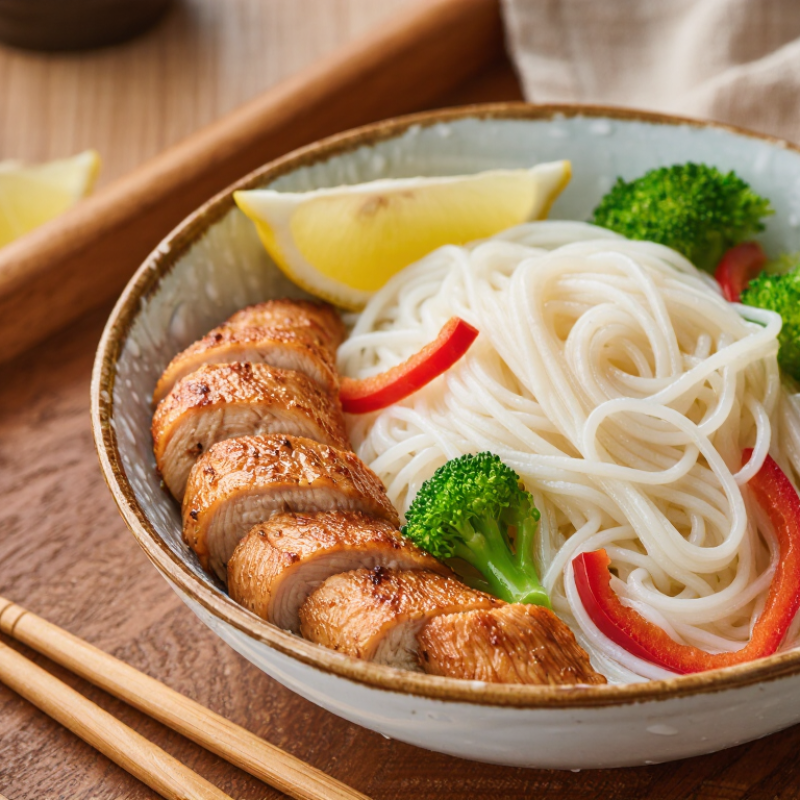
Shirataki noodles work in stir-fries, soups, and creamy skillet meals. Their texture is springy and slightly chewy, so they may not feel like wheat pasta. A quick rinse, followed by a few minutes in a dry pan, can reduce their mild odor and excess moisture. Konjac rice can sit beneath curry or roasted vegetables, but it absorbs less flavor than regular rice. Season it well. Jelly snacks need extra scrutiny because sweetened varieties may contain enough sugar to affect your daily carb limit.

Tips: Start with a modest serving and drink enough water, since glucomannan absorbs liquid. Some people notice bloating or digestive discomfort. That can happen. Pair konjac with protein, vegetables, and a flavorful sauce, then check the sauce’s carbs too. A useful keto food should fit your whole meal, not just look low-carb on the package.

Portion Sizes, Digestive Effects, and Safety Considerations

Konjac can fit a keto meal because many konjac noodles are low in digestible carbohydrates. Check the nutrition label: products differ, and sauces can add carbs quickly. A modest serving alongside eggs, tofu, fish, or vegetables makes a more balanced plate than noodles alone. Start with the package serving size. Go slowly. A large bowl may seem harmless, but that assumption is easy to make.

Konjac’s glucomannan fiber absorbs water and can cause bloating, gas, loose stools, or constipation, especially when you eat a lot at once. Try a smaller portion first, chew well, and drink enough fluid. That matters. Rinse and prepare packaged noodles as directed; their texture can be unusually springy, so eating quickly is not ideal.

Use extra care with konjac fiber supplements or dry products, which may swell and pose a choking risk if taken without enough liquid. People with swallowing difficulties or digestive conditions should ask a health professional before using them. Fiber may also affect how some medicines are absorbed, so check with a pharmacist or clinician about timing. If persistent pain, vomiting, or trouble swallowing occurs, stop eating the product and seek medical advice.