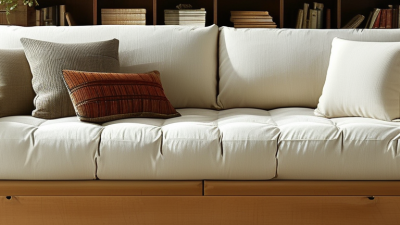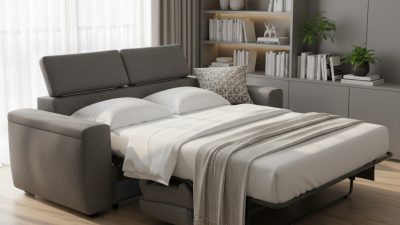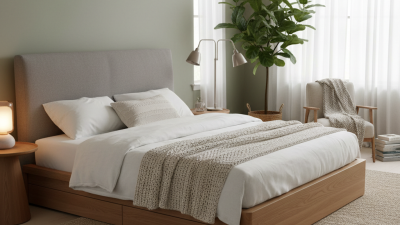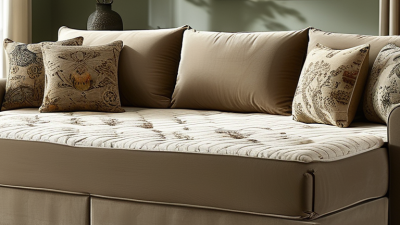


Choosing a modern sleeper sofa in 2026 requires more than matching fabric to a living room.
The right model must work twice: as a comfortable sofa and as a dependable guest bed. Market research supports this shift toward flexible furniture. Grand View Research’s 2024 sofa market report identifies multifunctional designs and space efficiency as important growth factors. Euromonitor International’s Home and Garden research also highlights practical home improvements and comfort-focused purchases. These findings matter in smaller apartments, home offices, and guest rooms with limited floor space.
Look closely at the mechanism.
A smooth opening action matters. So does the mattress.
Measure the sofa, doorway, elevator, and sleeping area before ordering. A compact frame may still need considerable clearance when opened. Check the mattress thickness, support system, seat depth, and weight capacity. A thin mattress can look elegant but feel disappointing after one night. I have learned that showroom comfort can mislead when testing lasts only five minutes.
Frame construction deserves professional attention. Kiln-dried hardwood, reinforced joints, and a stable sleeper mechanism usually indicate better long-term performance. Upholstery should suit real use, including pets, children, or frequent guests. The American Home Furnishings Alliance and BIFMA standards provide useful reference points for furniture quality and performance, although certification does not guarantee personal comfort.
Do not ignore delivery details. Confirm return policies, warranty coverage, replacement parts, and setup service. Product reviews can reveal loose hinges, uneven cushions, or difficult assembly. They can also be unfairly subjective.
The best modern sleeper sofa is not necessarily the largest or most expensive. It is the one that fits your room, supports your body, and survives ordinary life. A little skepticism helps.
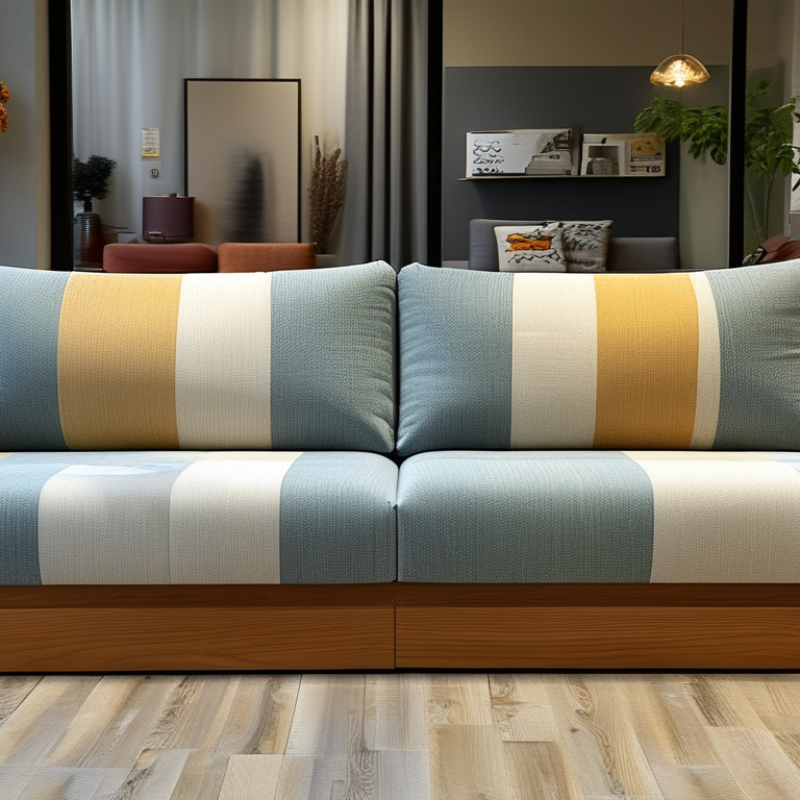
How to Choose a Modern Sleeper Sofa in 2026?
A modern sleeper sofa now serves as seating, bedding, and space management. That combination defines its value. Grand View Research estimates the global furniture market reached approximately $516.7 billion in 2023. Its projected growth reflects stronger demand for adaptable home furnishings. For 2026, look beyond appearance. A slim frame should open smoothly without scraping the floor. The sleeping surface should feel level, not like a folded compromise. Test the mechanism several times.
Comfort remains the difficult part. A useful sofa needs supportive seat foam, balanced back cushions, and a mattress with enough thickness for regular guests. Check the open bed length, knee space, and clearance around side tables. Measure everything. A 2024 report from the American Academy of Sleep Medicine links consistent sleep quality with suitable sleeping conditions, so occasional overnight use still deserves serious attention. However, sofa mattresses often sacrifice comfort for compactness. That trade-off should be stated honestly.
Modern features also include removable covers, replaceable mechanism parts, and durable, low-maintenance textiles. Look for transparent material information and independently verified safety testing. The BIFMA sustainability framework emphasizes durability, responsible materials, and product life-cycle thinking. These details matter more than hidden USB ports. A repairable sofa may create less waste over time, though repair costs can surprise you. I would also check doorway width, delivery packaging, and return conditions before buying. The perfect sleeper sofa is mostly a myth. Choose the compromises you can live with.
Defining the Features of a Modern Sleeper Sofa in 2026
| Evaluation Dimension | Recommended 2026 Benchmark | Why It Matters | What to Check Before Buying |
|---|---|---|---|
| Sleeping Surface | Full-size or queen-size mattress; approximately 54 × 75 in or 60 × 80 in. | A wider, longer sleeping surface provides a more practical experience for overnight guests and regular use. | Measure the open bed and compare it with the sleeper’s height. Confirm that the mattress lies flat without gaps or raised sections. |
| Mattress Thickness | Approximately 4–8 in, depending on the mechanism and sofa size. | Thicker mattresses generally provide better pressure distribution, but they may increase the folded-bed height and sofa weight. | Ask for the actual mattress thickness rather than relying on the cushion thickness. Test the mattress for support at the hips and shoulders. |
| Mattress Construction | High-density foam, pocketed coils, or a hybrid design with a supportive base. | These constructions can offer better durability and body support than a thin, low-density foam pad. | Check the foam density when available, inspect the stitching, and determine whether the mattress can be replaced independently. |
| Conversion Mechanism | Quick-opening pull-out, click-clack, lift-and-fold, or power-assisted mechanism with smooth operation. | A modern sleeper sofa should convert without excessive force, noise, or complicated steps. | Open and close the sofa several times in the showroom. Look for pinch points, unstable hinges, exposed metal, and difficult-to-reach handles. |
| Seat Comfort | Medium to medium-firm cushioning with resilient foam and supportive suspension. | The sofa must work comfortably for daily sitting as well as occasional sleeping. | Sit for at least 10 minutes. Check whether the seat collapses, causes pressure behind the knees, or feels uneven near the frame. |
| Frame Material | Seasoned hardwood, engineered wood with reinforced joints, or a combination of both. | A rigid, well-joined frame helps manage the extra load created by the folding bed mechanism. | Ask about joint construction, center supports, and the warranty. Avoid frames that flex noticeably when the mechanism is used. |
| Weight Capacity | At least 600–750 lb total for a two-seat sleeper, with higher ratings preferred for frequent use. | A clearly stated capacity improves safety and helps prevent premature wear of the frame and mechanism. | Confirm whether the rating applies to sitting, sleeping, or both. Do not assume that a larger sofa automatically has a higher capacity. |
| Upholstery Performance | Durable woven fabric, microfiber, performance textile, leather, or other upholstery rated for regular residential use. | Frequent conversion places additional stress on the upholstery, seams, and contact areas. | Request abrasion, pilling, cleaning, and lightfastness information. Inspect seams around arms, corners, and the opening mechanism. |
| Removable and Washable Covers | Removable cushion covers with clear cleaning instructions; machine-washable covers are an added advantage. | Washable or replaceable covers make the sofa easier to maintain in homes with children, pets, or frequent guests. | Check whether all covers are removable, whether replacement covers are available, and whether washing may cause shrinkage. |
| Room Footprint | Allow at least 30–36 in of clear walking space in front of the sofa when closed. | A sleeper sofa needs enough clearance to open fully without blocking doors, cabinets, or primary walkways. | Measure the closed width, depth, and height, then mark the fully opened bed footprint on the floor at home. |
| Open-Bed Clearance | Keep approximately 24–30 in of practical clearance around accessible sides of the bed. | Clearance improves access for changing sheets, assisting guests, and moving around the room at night. | Measure nearby furniture, radiators, windows, outlets, and doors in both sofa and bed positions. |
| Seat Height and Depth | Commonly about 17–20 in seat height and 20–24 in usable seat depth. | These dimensions suit many adults while balancing upright seating with enough room for lounging. | Compare the dimensions with the user’s leg length and preferred posture. Deep seats may be less comfortable for shorter users. |
| Back Support | Layered back cushions, adjustable headrests, or a supportive back angle with adequate lumbar comfort. | Good back support is essential because the sofa may be used for work, reading, and extended sitting. | Test the sofa without extra pillows. Check whether the lower back is supported and whether the headrest remains stable. |
| Ventilation and Moisture Control | Breathable upholstery and a mattress base that allows reasonable air circulation. | Ventilation helps reduce heat buildup and moisture retention during overnight use. | Look for breathable fabric, ventilated mattress construction, and instructions for airing the mattress after use. |
| Technology Integration | Optional USB-C charging, standard power access, reading lights, or storage compartments placed away from moving parts. | Integrated features can improve convenience in guest rooms, apartments, and multifunctional living spaces. | Check charging output, cable routing, outlet location, replacement-part availability, and whether electronics remain accessible when the bed is open. |
| Storage Function | Under-seat or side storage for bedding, preferably with a ventilated and easy-access compartment. | Built-in storage reduces the need for additional cabinets in compact rooms. | Measure the usable interior rather than the exterior compartment size. Confirm that blankets do not interfere with the mechanism. |
| Noise Level | Quiet manual movement with minimal rattling; powered models should operate smoothly without harsh motor noise. | Lower operating noise is especially valuable in studio apartments and shared sleeping spaces. | Operate the mechanism slowly and quickly. Listen for scraping, popping, rattling, and changes in noise under load. |
| Accessibility | Easy-grip handles, low-effort conversion, stable armrests, and a manageable seat height. | Accessible controls and simple movement benefit older users and people with limited strength or mobility. | Test the sofa without lifting from awkward angles. Confirm that the bed can be opened by the person who will use it most. |
| Safety Features | Stable legs, secure locking points, covered moving parts, rounded edges, and anti-tip design where applicable. | Sleeper sofas combine heavy furniture with moving components, so stability and pinch-point control are important. | Check that the sofa does not rock, the bed locks securely, and no fingers or bedding can easily enter the mechanism. |
| Repairability | Replaceable mattress, cushions, covers, casters, legs, and commonly worn mechanical components. | Repairable construction can extend service life and reduce replacement waste. | Ask for a parts list, repair process, warranty coverage, and expected availability of replacement components. |
| Sustainability Indicators | Durable construction, recycled or certified materials where documented, low-emission finishes, and repairable parts. | Long service life often has a greater environmental benefit than replacing a low-cost sleeper sofa frequently. | Look for specific material disclosures and recognized certifications. Avoid vague claims without supporting documentation. |
| Delivery Requirements | Clear delivery dimensions, packaged weight, stair requirements, and room-of-choice or assembly options. | A sleeper sofa can be difficult to move because of its frame and mechanism, even when its assembled dimensions appear manageable. | Measure doorways, elevators, stair turns, hallways, and ceiling heights. Include packaging dimensions when planning delivery. |
| Warranty Coverage | Written coverage for the frame, mechanism, mattress, upholstery, and electrical components when included. | Different parts may have different warranty periods and exclusions. | Read the full warranty for structural limits, commercial-use exclusions, labor costs, return windows, and proof-of-purchase requirements. |
Practical selection rule: Prioritize the mattress, conversion mechanism, frame strength, room measurements, and repairability before choosing color or decorative details.