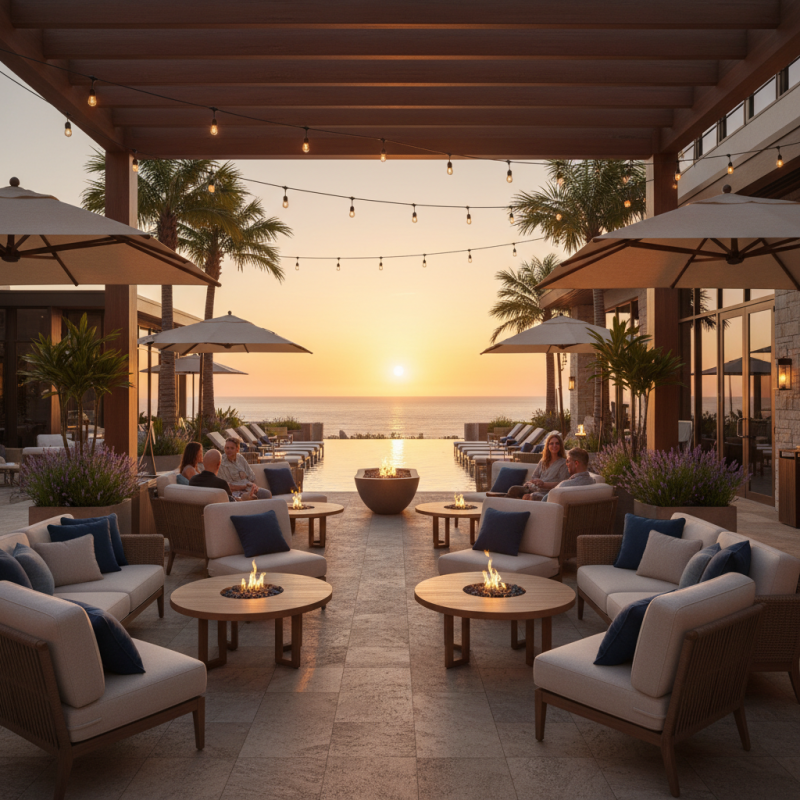
Top Tips for Choosing Hotel Outdoor Seating Options?
Choosing the right Hotel Outdoor Seating can significantly enhance guest experiences. It shapes how visitors perceive your hospitality. Proper seating encourages relaxation and social interaction. It should be functional yet stylish, matching the hotel's overall theme.
Consider various factors when selecting outdoor seating. The material, comfort, and durability play crucial roles. For example, weather-resistant materials ensure longevity. Additionally, the layout should promote easy movement while maximizing space. Ambiance is essential, as lighting and greenery can elevate outdoor areas.
Some may underestimate the impact of outdoor seating. However, well-designed spaces attract guests and increase satisfaction. Always seek feedback from customers. Reflect on whether your choices create a welcoming atmosphere. Emphasizing quality in hotel outdoor seating can lead to memorable experiences.
Consider the Space and Layout of Outdoor Seating Areas
When considering outdoor seating for hotels, space and layout are crucial. Hotels should assess their available outdoor areas carefully. A simple patio may seem perfect, but its shape and size can dictate the best furniture arrangement. Too little space might lead to cramped seating. Conversely, an expansive area can become wasteland if not designed thoughtfully.
It's vital to create a welcoming atmosphere. Warmth in design invites guests to linger longer. Grouping seating together encourages conversations. However, scattered arrangements might feel disconnected. Consideration of traffic flow is equally important. Guests should navigate easily without feeling obstructed. Paths should be clear, allowing for smooth movement.
Furnishings should be comfortable yet functional. Materials must withstand diverse weather, from sun to rain. Durability is key, but don't overlook aesthetics. Sometimes, furniture choices may not align with the desired ambiance. This mismatch can reduce the overall appeal of the space. Reflect on how these elements work together to enhance the guest experience.
Evaluate Comfort and Durability of Seating Materials
When selecting outdoor seating for hotels, comfort and durability are crucial factors. A recent report by the American Society of Landscape Architects emphasizes that guest satisfaction often hinges on outdoor experiences. Comfortable seating encourages guests to linger, enhancing their overall visit. Materials like aluminum and teak wood are popular for their resilience against weather elements. They not only offer comfort but also withstand the testing of time.
Moreover, the durability of materials directly impacts maintenance costs. According to the International Furniture and Bedding Association, furniture that needs frequent replacement can lead to significant expenditures. This highlights the importance of choosing high-quality seating that combines both aesthetic appeal and functionality. Synthetic materials like polypropylene are also favored for their lightweight nature and resistance to UV rays, reflecting the need for practicality in outdoor environments.
However, not all seating options deliver the expected comfort. Some designs may look appealing but fail to provide proper support. Guest complaints often revolve around uncomfortable seating, which can deter repeat visits. It’s essential to balance style with usability to create inviting spaces. Thus, evaluating the long-term implications of your choice can lead to better guest experiences and increased loyalty.
Assess the Aesthetic Appeal and Design Consistency
When choosing outdoor seating for hotels, design consistency is key. You want the area to reflect the overall theme of your establishment. Consider the colors and materials used inside. If your hotel has a coastal theme, light wood and soft blues can create harmony. A mismatched set of furniture can detract from the serene atmosphere guests expect.
Pay attention to the comfort and usability of the seating. Look for pieces that invite guests to linger. Cushions can add a pop of color while enhancing comfort. However, if cushions absorb too much water, it might lead to mold. Functionality should never be overlooked.
Lighting is also crucial for aesthetic appeal. Ambient lighting can transform a space. String lights or lanterns create a cozy vibe. But, too much lighting can feel overwhelming. Finding the right balance is essential. Evaluating these elements will aid in creating an inviting outdoor space that aligns with your hotel's identity.
Top Tips for Choosing Hotel Outdoor Seating Options
| Option | Material | Design Style | Color Palette | Comfort Level | Weather Resistance |
| Lounge Chairs | Aluminum | Modern | Neutral Tones | High | Yes |
| Dining Sets | Teak Wood | Rustic | Warm Earth Tones | Medium | Yes |
| Sun Loungers | Wicker | Contemporary | Bright Shades | High | Yes |
| Outdoor Sofas | Fabric with UV Protection | Transitional | Cool Hues | Very High | Yes |
| Bar Stools | Metal | Industrial | Monochrome | Medium | Yes |
Account for Weather Resistance and Maintenance Needs
When selecting outdoor seating for hotels, weather resistance is crucial. Guests will enjoy the space more if the furniture withstands rain, sun, and wind. Choose materials like aluminum or teak that resist corrosion and fading. They often last longer than cheaper options, but it’s essential to check their warranty and maintenance recommendations.
Maintenance needs can influence your choices significantly. Some materials require regular treatment to maintain their appearance. For instance, wooden furniture may need oiling, while metal options might require a simple wipe-down. Select options that match your team’s capability to maintain them effectively. A complicating factor can be the local climate. Areas with extreme weather can accelerate wear and tear.
Additionally, consider how the furniture will age over time. Tracking wear factors is basic but crucial. Some finishes might look lovely initially but can deteriorate quickly. A well-thought-out selection will enhance the space and ensure a positive guest experience. Think long-term and avoid rushing the decision to appreciate the subtle differences in durability and upkeep.
Incorporate Guest Flow and Accessibility in Design Choices
When designing outdoor seating for hotels, guest flow deserves attention. A well-planned layout enhances accessibility, allowing guests to navigate with ease. Studies show that 70% of guests prefer outdoor areas that feel open and inviting. Clear pathways and strategically placed furniture can create a welcoming environment.
Consider various needs when choosing seating options. Research indicates that about 32% of hotel guests have mobility limitations. Selecting furniture with varied heights and styles supports inclusivity. For instance, low seating may accommodate those needing assistance while vibrant high-top tables can attract younger crowds.
Creating a natural movement flow is vital but can be challenging. It’s important to balance aesthetics with functionality. Using a mix of fixed and movable seating contributes to flexibility. Reflecting on layout choices ensures that every guest experiences comfort and ease. With thoughtful design, outdoor spaces become more enjoyable for all.