How to Choose the Best Stainless Steel Cup?
Choosing the right Stainless Steel Cup is less about a polished finish and more about how it performs in your daily routine. A cup that feels sturdy on a desk may be awkward in a car’s cup holder. One that keeps tea warm for hours may not suit someone who prefers quick, easy cleaning. Materials scientist Michael F. Ashby’s materials-selection approach highlights the value of matching a material to its purpose. Put simply: “Choose for the job, not just the label.” This is a practical summary, not a direct quotation.
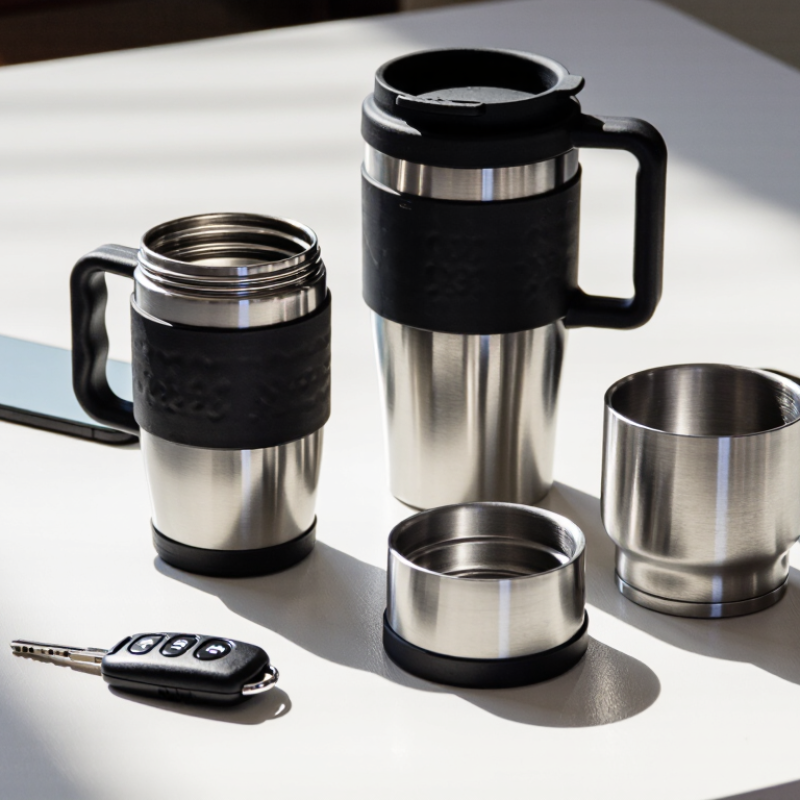
Start with what you drink and where you use the cup. For commuting, check the lid seal, grip, and fit beside your keys and phone. For home use, consider capacity, rim comfort, and whether the interior is easy to inspect. Stainless steel grades and wall construction can affect durability, corrosion resistance, and heat retention. A product description should identify these details clearly. If it does not, pause before buying.
Small details matter. Feel the rim. Look inside the cup. Check the lid threads for narrow grooves that could trap residue. A reflective finish can look clean while hiding scratches; that is worth remembering. No single cup is best for everyone, and product claims deserve a careful look. This guide explains how to compare construction, safety information, insulation, cleaning needs, and everyday comfort—so your choice fits real use, not just a shelf display.
Define How and Where You Will Use the Cup
How to Choose the Best Stainless Steel Cup?
Define How and Where You Will Use the Cup
A cup for a desk has different needs from one carried on a morning commute. Think about where it will sit, how long you will use it, and whether you need one hand free. For a crowded bag, a secure lid and a shape that fits your cup holder matter. At home, a wider opening may make pouring and cleaning easier. Small details count.
Match capacity to your usual drink, not an idealized routine. A large cup can feel convenient, but it may be heavy when full and awkward to wash. If you sip coffee during a short drive, a compact insulated cup may be more practical. For water at a workbench or picnic table, a lighter, open cup might be enough. No lid? That can be fine.
Consider cleaning before choosing a complex lid or narrow shape. Removable parts are easier to inspect, and trapped residue can affect taste over time. Check care instructions, especially if the cup has seals or insulation. Also consider temperature: stainless steel can feel hot or cold to the touch, so insulation may help when carrying hot drinks. It is easy to focus on appearance and miss the daily routine. Imagine filling, carrying, setting down, and washing the cup on an ordinary day. That test is not perfect, but it usually reveals what matters.
Check Stainless Steel Grade and Food-Safety Features
How to Choose the Best Stainless Steel Cup?
Check the steel grade before comparing colors or shapes. Many food-contact cups use 304 stainless steel, sometimes labeled 18/8. The numbers describe chromium and nickel content. Grade 316 offers extra corrosion resistance, but that feature may not matter for everyday water. A grade label is useful, not a complete guarantee. Look for clear material details from the seller, and be wary of vague claims such as “premium steel.” Small details matter.
Food safety also depends on the cup’s finish and construction. Inspect the inside for smooth surfaces, rough seams, or pits that could be hard to clean. Check that the lid and any gasket are described as suitable for food contact. A strong metallic smell or flaking interior deserves attention, though smell alone cannot identify a steel grade. I used to focus too much on the number stamped on a product; the lid and cleaning instructions matter, too. A cup that is difficult to wash may not be a good daily choice.
Tips: Ask for the grade and food-contact material details. Choose a smooth interior and a lid that comes apart for cleaning. Wash before first use, then dry it fully. If the information stays unclear, keep looking.
Assess the Lid, Cleaning, and Long-Term Durability
A stainless-steel cup is only as practical as its lid. Look for a gasket that lifts out easily, wide threads, and a vent you can rinse without a brush. Tiny creases can hold coffee oils and water. Check whether the lid is dishwasher-safe; “easy to clean” is not the same as dishwasher-safe. A simple leak test helps: fill the cup, close it, and turn it over above a sink. Check again after the gasket has been removed and reinstalled. Small detail. Easy to miss.
For long-term durability, inspect the rim, handle joints, and insulation before buying. A dent may not affect a single-wall cup much, but damage to a vacuum-insulated wall can reduce heat retention. Ask about replacement gaskets, too; a sound steel body is less useful when its seal fails. Industry figures from worldstainless put average recycled content in stainless steel at about 60%, with an end-of-life recycling rate near 85%. These are global material-level estimates, not guarantees for an individual cup or local recycling access. They do suggest that keeping a well-made cup in use matters. Still, steel alone does not promise a long service life. The lid often wears first.
How to Choose the Best Stainless Steel Cup? - Assess the Lid, Cleaning, and Long-Term Durability
| Cup or lid style | Spill protection | Cleaning considerations | Long-term durability checks | Often suits |
| Open rim, no lid | Low; contents can spill if tipped. | Few parts and easy access for washing. | Check the rim for dents and the base for wobbling. | Desk use or settings where a lid is unnecessary. |
| Loose splash lid | Moderate for splashes; generally not leakproof when tilted. | Usually simple to remove; inspect the underside and drinking opening for residue. | Check that the lid remains secure and has no cracks or warped edges. | Reducing splashes while carrying a cup carefully. |
| Sliding or flip-top lid | Varies by design; the drinking opening may remain exposed or may not seal fully. | Moving parts and narrow channels may need extra attention. | Test the slider or hinge and check for wear, looseness, or cracking. | Frequent sipping when convenient one-handed access matters. |
| Screw-on lid with gasket | Often better when the lid is properly tightened and the gasket is seated; not every design is leakproof. | Remove and wash the gasket regularly; trapped moisture or residue can collect in the seal groove. | Check threads for damage and the gasket for stretching, tearing, or loss of fit. | Carrying a cup in a bag, if the manufacturer describes it as leakproof. |
| Lid with drinking straw | Usually limited around the straw opening; check the design before transporting it. | The straw and its connection need separate cleaning; a narrow brush can help reach the inside. | Inspect the straw, seal, and lid opening for wear or residue buildup. | Cold drinks and situations where sipping through a straw is preferred. |
Before buying: Check the cup’s stated steel grade, lid and gasket materials, replacement-part availability, and care instructions. Dishwasher suitability varies by product and component, so follow the manufacturer’s guidance.
Balance Price, Warranty, and Overall Value
When comparing stainless steel cups, look beyond the shelf price. A cheaper cup may have a loose lid, rough rim, or thin walls that dent after a few knocks. Check how the lid fits and whether the cup feels balanced when filled. Small details matter. If the cup is double-walled, inspect the seam and ask what the warranty actually covers. Coverage may exclude dents, worn seals, or damage from improper cleaning. Read the return window and claim process before buying; a long warranty is less useful if support is difficult to reach.
Value depends on how often you use the cup and how long it stays practical. A slightly higher price can make sense if the lid seals reliably and replacement seals are available. For a desk cup, easy cleaning may matter more than insulation. For commuting, a secure lid could be worth paying extra for. Compare the total cost, including shipping and replacement parts, rather than price alone. It is tempting to assume a heavier cup is always better, but weight can become annoying in a bag. That judgment can be wrong. Match the features to your routine, and spend only on benefits you will notice.