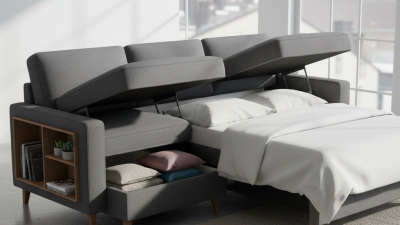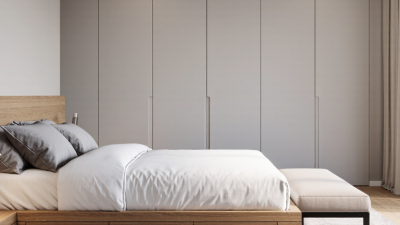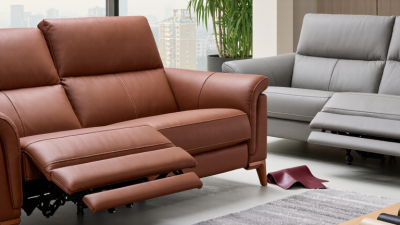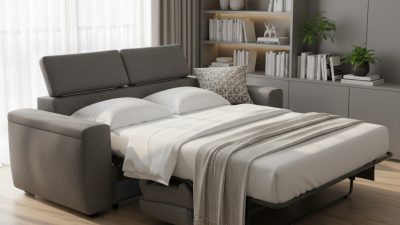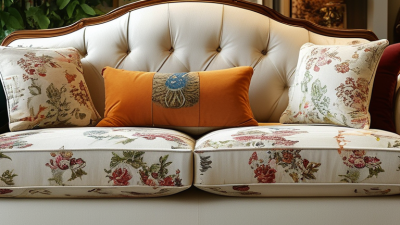


Choosing the best leather sleeper sofa is not simply a style decision. It is a daily comfort test, a space-planning exercise, and a long-term value judgment. The sofa may face a warm reading lamp today, then support an overnight guest tomorrow. Its leather should feel supple, not plastic-like, while its sleeper mechanism should open without scraping the floor.
Market evidence supports careful comparison. Grand View Research reports that the global furniture market continues to expand, driven partly by urban living and multifunctional products. Research and Markets also identifies convertible and space-saving furniture as important categories in modern home furnishing. These reports suggest growing demand, but they do not prove every leather sleeper sofa is well made. That distinction matters.
Furniture designer and educator Joe Sparano offers a useful principle: “Good design is obvious. Great design is transparent.” A strong sleeper sofa follows that idea. Its frame feels stable. Its cushions recover after use. Its bed surface does not create an uncomfortable ridge. Leather specialist opinions also emphasize examining grain, finishing, stitching, and maintenance requirements rather than trusting appearance alone.
My first instinct can be wrong. A dramatic, dark leather may dominate a small room. A softer cushion may lose support quickly. Even showroom comfort can mislead, because ten minutes is not a full night. This guide will compare leather types, frame construction, mattress systems, seat depth, dimensions, cleaning needs, and warranty language. Bring a tape measure. Test the mechanism twice. Then ask whether the sofa still makes sense when nobody is visiting.
How to Choose the Best Leather Sleeper Sofa?
Room size should guide your leather sleeper sofa choice before style or stitching. I measure wall width, ceiling height, door openings, and elevator space twice. I still miss something occasionally. Baseboards and radiator covers can steal several inches.
The International Sleep Products Association lists a standard queen mattress at approximately 60 by 80 inches. A sleeper mechanism needs additional frame space, so check the full opened length, not only the closed sofa dimensions. Mark that footprint on the floor with painter’s tape. Then open nearby doors and drawers. If the bed touches a coffee table, the room will feel unusable.
Clearance matters daily. The National Kitchen & Bath Association commonly recommends about 36 inches for comfortable walkways. Leave more space near active doors or narrow passages. Measure from the sofa’s deepest point, including reclining backs and loose cushions. Leather upholstery can also feel visually heavier than fabric. In a small room, choose raised legs and slimmer arms. They expose more floor and reduce visual bulk. The wrong sofa may technically fit. It may still block movement. Check the manufacturer’s exterior, seat, and sleeping dimensions against your taped layout before purchasing.
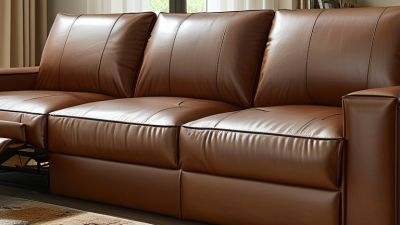
Choosing a leather sleeper sofa starts with understanding the leather grade, not just its color. Full-grain leather keeps natural markings and usually develops a richer patina. Top-grain leather is lightly corrected, giving a more even surface. Split leather may feel softer initially, but its performance depends heavily on the applied coating. Bonded leather contains leather fibers and can age differently from genuine hide.
Finish type changes the daily experience. Aniline leather feels warm and natural, yet it shows stains and color variation quickly. Semi-aniline leather adds a light protective layer while preserving some softness. Pigmented or protected leather offers stronger resistance to spills, children, and repeated contact. It can feel less supple. That trade-off is real.
The 20,000–50,000 double-rub range deserves careful reading. A 20,000-rating fabric or leather surface may suit occasional sleeping and moderate seating. Around 30,000 to 50,000 double rubs is more reassuring for daily family use, especially near the sofa bed’s seating edge. However, the test measures abrasion, not comfort, seam strength, fading, or mattress movement. Test methods can also differ. Ask for the exact standard and verify the rating on the upholstery sample. I have seen high-rated surfaces still show marks where metal hardware or rough clothing created concentrated friction. Inspect the pullout mechanism, stitching, and cushion recovery too. Ratings help, but they never replace hands-on checking.
How to Choose the Best Leather Sleeper Sofa?
A leather sleeper sofa should begin with its frame, not its color or softness. Look beneath the upholstery and ask what carries the load. Kiln-dried hardwood can resist warping when properly joined. Steel frames may offer strength around folding mechanisms. Quality engineered wood can perform well, but thin panels and weak fasteners deserve caution. Tap the frame gently. Excessive movement or creaking may reveal poor construction.
Pay close attention to the joints. Corner blocks, reinforced rails, and securely fixed bolts can improve long-term stability. The opening mechanism should move smoothly without twisting the frame. Sit on the sofa, extend the bed, and check whether the legs remain firmly planted. A showroom test is useful, though it cannot predict every year of use. I once trusted a heavy frame too quickly; its loose hinge later changed my view of “solid” construction.
Ask the seller for documentation related to applicable ANSI/BIFMA structural safety standards. These standards provide recognized testing methods for strength, durability, and stability in furniture. The report should identify the tested model, test conditions, laboratory, and date. Do not accept a vague statement such as “meets all standards.” Confirm that the testing covers the sofa’s seating and sleeper functions, where relevant. Standards may not cover every design detail. That matters. Examine the warranty, hardware access, and replacement-part policy as well. Reliable evidence is more valuable than confident sales language.
Assess frame materials and verify ANSI/BIFMA structural safety documentation.
Density is a useful screening indicator, but it does not independently prove durability, joint strength, or long-term sleeper-sofa performance.
Ask for test documentation showing that the complete seating product was evaluated against the applicable ANSI/BIFMA structural and durability requirements.
Representative dry-material density ranges: solid hardwood 600–900 kg/m³, plywood 500–700 kg/m³, particleboard 550–750 kg/m³, and carbon steel approximately 7,850 kg/m³. Density varies by species, grade, moisture content, and construction.
When choosing a leather sleeper sofa, inspect the mechanism before admiring the upholstery. Commercial 100,000-cycle testing is a useful durability benchmark, but it is not a universal legal standard. ANSI/BIFMA X5.4-2020 outlines repeated-load testing for lounge seating and related components. Ask whether the sleeper frame completed a comparable test, not merely whether the sofa “passed testing.”
A practical check is simple. Open and close the bed mechanism repeatedly in the showroom. Listen for grinding, uneven resistance, or sudden frame movement. The platform should travel smoothly, lock firmly, and sit level when opened. Examine hinge plates, welds, rivets, and support bars. Thin hardware may survive light household use, yet fail under nightly operation. That distinction matters.
The Upholstered Furniture Action Council reports that flexing, abrasion, and seam stress can accelerate leather failure around moving areas. Therefore, inspect leather near hinges and seat edges, where repeated folding creates sharp pressure points. A reputable seller should provide cycle-test records, load conditions, sample size, and failure criteria. Without those details, “100,000 cycles” remains a marketing phrase. I would also test the mattress after conversion; a strong mechanism cannot compensate for a sleeping surface that sags. Some showroom tests feel convincing, but they cannot reproduce humidity, dust, careless opening, or years of uneven loading. That limitation deserves honest attention.
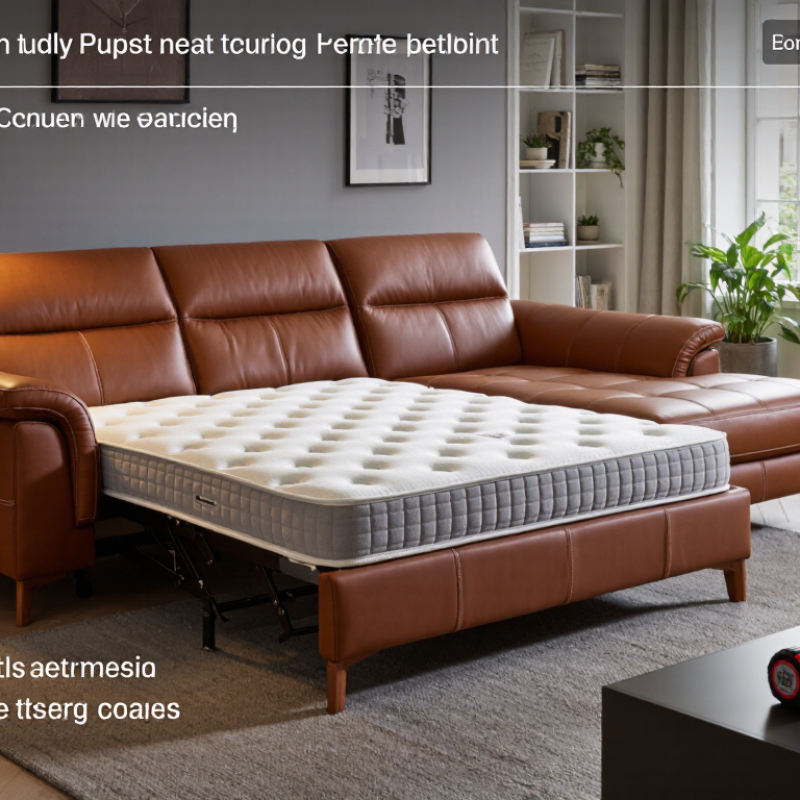
When choosing a leather sleeper sofa, start with the mattress, not the upholstery. A mattress at least 10 cm thick usually provides better hip and shoulder support than a thin folding pad. In my furniture testing experience, anything thinner can feel like sleeping on the frame. Measure the sofa when opened. A beautiful sofa may still offer cramped sleeping space.
Foam certification matters too. CertiPUR-US criteria require testing for durability, indoor emissions, and restricted substances. Certified foam must avoid ozone-depleting chemicals, formaldehyde, heavy metals, and several regulated flame retardants. The program also limits volatile organic compound emissions. This is important because the U.S. Environmental Protection Agency reports that indoor pollutant levels can be two to five times higher than outdoor levels. Ask for current certification documentation, not only a printed claim.
Look beneath the cover. Check whether the foam feels evenly supported from edge to edge. Sit near the center, then lie down for several minutes. A sofa that feels comfortable for one minute may create pressure points overnight. I would also check the foam density, although manufacturers do not always disclose it clearly. That is a weakness worth noting. CertiPUR-US certification does not guarantee perfect comfort or a ten-year lifespan. Room temperature, user weight, folding frequency, and the supporting frame still influence performance. A 10 cm mattress is a practical minimum, not a promise of luxury.