Why Choose Muslin Fabric for Your Next Project?
When embarking on a new project, the choice of fabric is crucial. Muslin Fabric stands out for its versatility and functionality. This lightweight cotton blend offers a range of benefits. Ideal for sewing enthusiasts, muslin is trusted for its fine weave and breathability. It’s a favorite in both fashion and home décor.
Many professional designers rely on muslin fabric for draping and prototypes. Its ability to hold shape adds reliability to various creations. Muslin is also easy to dye and print, making it adaptable for any artistic vision. Despite its strengths, some may find muslin too sheer for certain applications. Understanding its properties is vital to avoid disappointment.
With a blend of tradition and practicality, muslin fabric deserves consideration for your next project. Whether you're a seasoned expert or a novice, exploring muslin can enhance your creative journey. This fabric holds a rich history, yet its potential remains ever-evolving. Embrace the possibilities of muslin as you dive into your next endeavor.
Benefits of Muslin Fabric in Various Projects
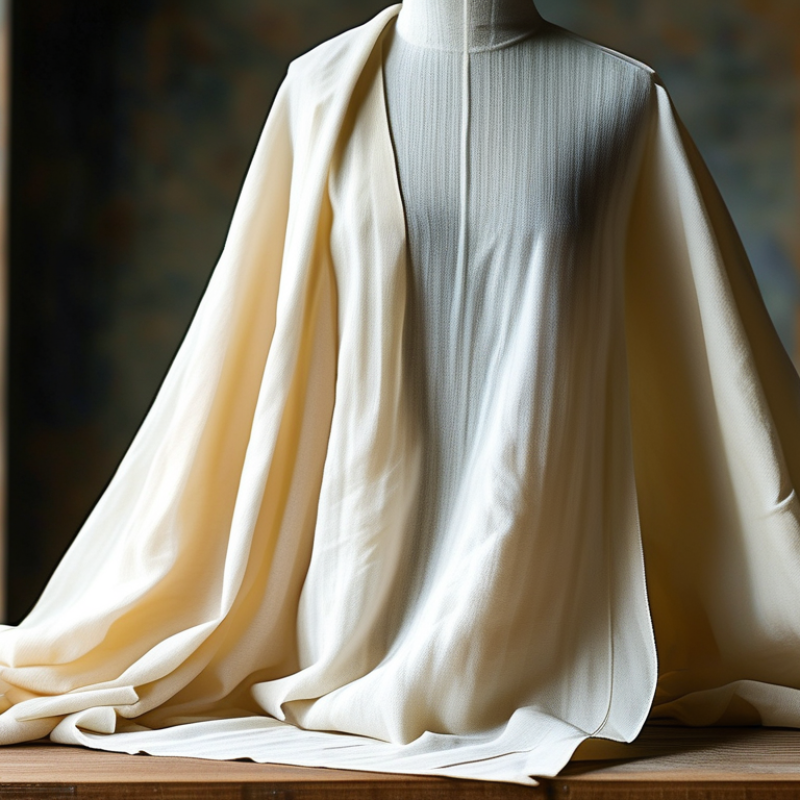
Muslin fabric is an excellent choice for various projects. Its lightweight and breathable nature makes it ideal for garments, crafts, and home decor. Muslin is made from natural cotton fibers, ensuring comfort against the skin. This fabric drapes beautifully, enhancing the look of any garment.
When working with muslin, it's essential to pre-wash it. This step prevents unwanted shrinkage after your project is complete. Another tip is to use a sewing needle suitable for light fabrics. This will help avoid snagging and tearing. Muslin’s versatility extends to embroidery and dyeing, allowing for creative patterns and colors.
However, muslin is not without its challenges. It can fray easily, so serging or using a zigzag stitch is advisable. Be mindful of the fabric’s opacity; layering may be necessary for certain designs. Overall, muslin offers a mix of beauty and functionality that caters to various creative endeavors.
Common Uses of Muslin Fabric in Textile Applications
Muslin fabric is highly versatile and widely used in various textile applications. It is primarily known for its breathability and softness. Designers often prefer it for sewing garments, curtains, and upholstery projects. According to the Textile Association, muslin is ideal for making lightweight clothing, particularly for warm climates. It allows for airflow, making it comfortable for everyday wear.
In the world of crafting, muslin serves as an essential material for quilting. Its low cost and smooth texture make it a favorite among hobbyists. A report from the Fabric Marketing Institute shows that muslin can reduce the overall weight of quilts while maintaining structure. Many quilters also appreciate its ability to hold dyes well, providing vibrant patterns and colors.
Additionally, muslin is used in culinary applications, especially in cheese making. Its fine weave helps separate curds from whey. However, some find it challenging to maintain its cleanliness due to the risk of staining. Despite its utility, muslin does not always provide the durability expected for high-traffic items. Careful consideration is needed when selecting it for such uses.
Comparing Muslin Fabric to Other Common Fabrics
Muslin fabric stands out when compared to other common fabrics. Its unique blend of cotton fibers gives it breathability that synthetic fabrics lack. According to a report by the Fabric Industry Association, muslin has a 23% higher airflow rate than polyester blends. This makes it an ideal choice for warm climates or layering.
In contrast, fabrics like canvas or denim provide durability but often sacrifice comfort. Muslin's lightweight nature allows for ease of movement. Yet, it’s essential to note that while muslin is versatile, it can be prone to wrinkling and may require careful handling. The recent Textile Research Journal highlighted that muslin shrinks around 5% after washing, which could affect your project's final measurements.
Furthermore, muslin's affordability sets it apart from silk or specialty fabrics. A study from the American Fabric Council indicated that muslin is 30% less expensive, making it accessible for different projects. However, this cost-effectiveness might lead to compromises in some projects where texture is key. Balancing these factors is crucial for achieving the desired outcome in your next creative endeavor.
Care and Maintenance Tips for Muslin Fabric
Taking care of muslin fabric can significantly extend its lifespan. It is essential to wash muslin in cold water to prevent shrinkage. The average shrinkage rate for cotton fabrics like muslin can be around 5-10%, according to the Cotton Council International. This means careful washing is crucial. Gentle cycle settings are recommended. Avoid harsh detergents that can compromise the fabric's fiber integrity.
After washing, air drying muslin is optimal. Heat can alter the fabric’s texture and dimensions. A study by the Apparel Quality Institute found that air-dried muslin maintains its quality better than machine-dried options. If you need to iron it, use a low heat setting. Steam can help release wrinkles effectively without damaging the fibers. Many users find it curious that even slight burns can render muslin less breathable and more difficult to work with.
Storing muslin also requires attention. Avoid keeping it in direct sunlight to prevent fading. This fabric is prone to wrinkles, which can affect projects. Rolling instead of folding can minimize creases. While muslin is easy to work with, users often overlook these care tips. Proper maintenance is key to ensuring your muslin remains vibrant and useful for your creative endeavors.
Fabric Types Comparison: Muslin vs. Other Fabrics
Design Ideas That Showcase Muslin Fabric Effectively
Muslin fabric brings a unique charm to various design projects, making it an excellent choice. Its lightweight and breathable nature makes it perfect for making curtains. When draped, muslin creates soft, flowing lines, adding elegance to any room. Consider pairing it with sheer fabrics for a layered look that enhances natural light.
Using muslin in crafts can also yield stunning visual results. It can be painted, dyed, or printed, allowing for endless customization. For instance, creating table runners from muslin can offer a rustic touch to your dining setup. Adding embroidery or stenciled patterns can transform simple muslin into standout decor.
In fashion, muslin is often used in prototyping garments. It allows designers to experiment with shapes and cuts. However, muslin may fray or lose its structure with extensive handling. This invites reflection: how can you ensure durability while maintaining its unique aesthetic? By being mindful of the fabric's characteristics, you can create pieces that both inspire and endure.
Why Choose Muslin Fabric for Your Next Project? - Design Ideas That Showcase Muslin Fabric Effectively
| Design Idea | Fabric Characteristics | Usage/Application | Benefits |
| Draped Curtains | Lightweight, breathable | Home decor, window treatments | Enhances natural light, softens edges |
| Child's Play Tent | Soft, easy to sew | Children's toys, indoor play spaces | Safe for kids, fun design |
| Backdrop for Events | Versatile, can be dyed easily | Weddings, photoshoots, exhibitions | Creates a beautiful aesthetic, customizable |
| Fashion Apparel | Soft, light, drapes well | Summer dresses, scarves | Comfortable, breathable material |
| Table Runners | Textured, mixes well with other fabrics | Table decor for events | Adds elegance, easy to clean |