What Are the Best Types of TV Wall Cabinets?
Choosing the best Tv Wall Cabinet starts with more than appearance. It must fit the room, support the television safely, and manage everyday clutter. A compact floating unit can free floor space, while a wide media console offers room for devices, books, and baskets. Tall cabinets add concealed storage, but may feel imposing in a small living room. The right choice depends on your screen size, wall construction, equipment, and habits.
Dieter Rams, the influential industrial designer, expressed a useful design principle: “Less, but better.” His phrase was not about TV cabinets specifically, but it offers a sensible way to judge them. Look for practical storage, durable materials, and clean cable access before choosing decorative extras. A glossy finish may brighten a dim corner; a wood veneer can bring warmth beside a pale sofa. Small details matter. Check door clearance, ventilation, and whether shelves can hold your devices without crowding them.
This guide compares floating, freestanding, corner, and built-in TV wall cabinets, with their benefits and compromises. It also considers materials, room sizes, mounting needs, and cable management. Measure carefully, and confirm the wall can support the cabinet and its load; seek qualified installation advice when needed. Some styles look excellent in showroom photos but disappoint in daily use. That deserves a second look. No single cabinet suits every home, and a beautiful unit can still be awkward if it hides the remote or blocks a socket.
What Is a TV Wall Cabinet and What Does It Do?
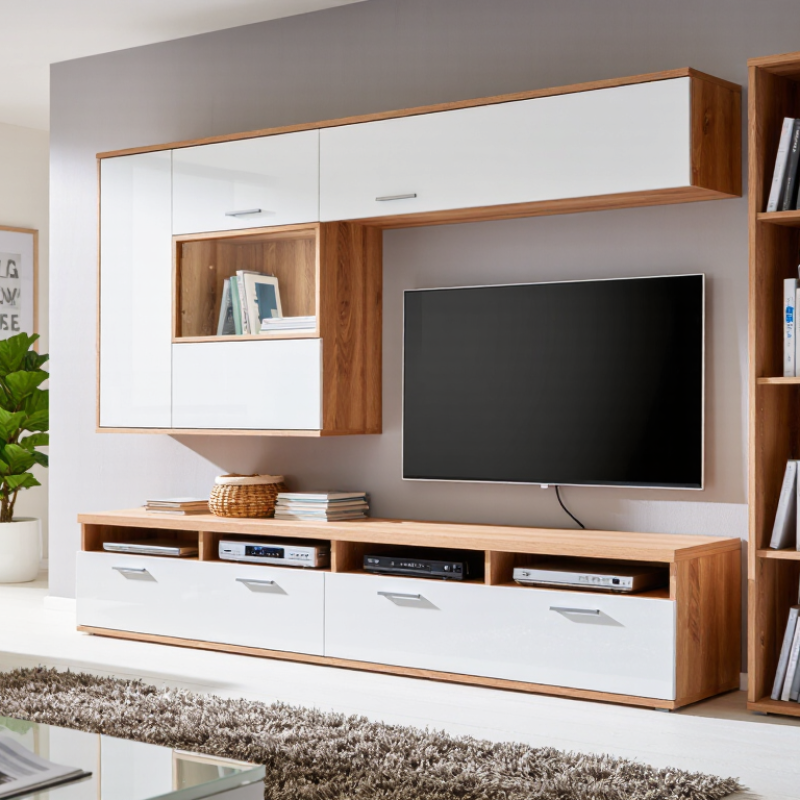
A TV wall cabinet is a wall-mounted or wall-adjacent unit that supports a television or stores the equipment around it. It can hold a streaming device, game console, remote controls, and small speakers. Some designs sit below a wall-mounted screen; others incorporate a shelf or bracket for the TV itself. Its practical job is to keep equipment organized, route cables through planned openings, and reduce visual clutter. Small details matter: a removable back panel makes connections easier to reach, while ventilation gaps help prevent electronics from overheating. Measure the screen, devices, and wall before choosing a cabinet. A neat front can hide awkward access problems.
Stability matters, too. The U.S. Consumer Product Safety Commission’s tip-over data reports 581 deaths involving furniture, TVs, or appliances between 2000 and 2021; 472 involved children. This does not mean a wall cabinet prevents every tip-over, but it supports careful anchoring and installation. Attach the unit to suitable framing or masonry, and follow its rated load limits rather than trusting drywall alone. Houzz’s 2024 U.S. Houzz & Home Study reported that 54% of surveyed homeowners renovated in 2023. That broad figure cannot tell us how many added media storage, but it shows why cabinet fit deserves attention during room planning. A cabinet can look perfect in a photograph and still leave cables pinched behind it.
What Are the Main Types of TV Wall Cabinets?
TV wall cabinets generally fall into a few practical types: floating units, closed cabinets, open-shelf designs, corner cabinets, and modular systems. Each suits a different room and storage need. Floating cabinets attach to the wall, leaving visible floor space beneath them. They can make a compact room feel less crowded, but the wall must support their weight. Check the cabinet’s load rating and secure it to suitable wall framing.
Closed cabinets use doors or drawers to hide cables, game equipment, and spare remotes. They create a tidy look, though devices may need ventilation openings to prevent heat buildup. Sliding doors can work well in narrow rooms where hinged doors might block a walkway. Small detail, big difference.
Open-shelf cabinets keep consoles and speakers easy to reach, but dust and loose wires stay visible. Corner units make use of awkward spaces, although their shape can limit screen placement. Modular cabinets combine separate shelves and storage units, so their layout can change as equipment changes. In real rooms, measurements are easy to underestimate: check the screen width, cable path, outlet position, and viewing height before choosing. A cabinet can look right on paper and still feel too bulky once installed.
How Do Floating, Built-In, and Modular Cabinets Compare?
Built-in cabinets create the cleanest, most integrated look. They can frame a television, conceal cables, and add closed storage around the screen. Their fixed position suits a planned renovation, but it demands careful measuring. Check wall framing, ventilation, and access to outlets before construction. Repairs can be awkward later.
Floating cabinets keep the floor visible and make compact rooms feel less crowded. They also simplify cleaning beneath the unit. The catch is structural: wall anchors must match the wall type and cabinet load. Not every wall is suitable. Modular cabinets offer more flexibility, since separate units can be rearranged or expanded as equipment changes. Their seams and gaps may look less seamless, though. Measure the screen, sound equipment, and cable paths together.
Budget can shape the choice. The 2024 U.S. Houzz & Home Study reported a $24,000 median spend on home renovations in 2023, up from $22,000 in 2022. That figure covers many project types, not TV cabinetry alone, so use it only as broader renovation context. For a built-in, allow for finish work and installation; for floating storage, include suitable reinforcement if needed. Modular units can reduce commitment, but fit and stability still matter. A small gap behind the cabinet can prevent cables from bending sharply. It is easy to overlook.
Which TV Wall Cabinet Best Fits Different Rooms and Needs?
The best TV wall cabinet depends on the room’s size, layout, and daily use. In a compact apartment, a slim floating cabinet keeps the floor visible and makes cleaning easier. Choose one with a shallow depth, but measure the TV cables and plugs first. Small room? Go vertical. A narrow cabinet with one closed compartment can hide remotes and game controllers without crowding the wall.
Family rooms often need more storage. A wider cabinet with drawers can hold games, spare cables, and devices, while open shelves help equipment stay ventilated. For a bedroom, a low-profile cabinet can keep the screen at a comfortable viewing height and reduce visual clutter. In a shared space, look for doors or drawers that conceal objects quickly. They are useful, though a cabinet packed too tightly can become frustrating to use.
Check the wall type and the cabinet’s stated weight limit before choosing a wall-mounted model; secure installation matters. Measure the viewing distance, door swing, and nearby windows, too. A glossy finish may reflect sunlight, while textured wood tones can soften a large screen. One detail is easy to miss: cable access. A beautiful cabinet still feels awkward when cords bend sharply or outlets are blocked. I’d leave some spare room inside; storage plans rarely stay perfect.
What Factors Should You Consider When Choosing a TV Wall Cabinet?
What Are the Best Types of TV Wall Cabinets?
What Factors Should You Consider When Choosing a TV Wall Cabinet?
Start with the wall, not the cabinet style. Measure the TV, wall width, and viewing distance, then check where the studs and outlets sit. A cabinet that looks balanced in a showroom can feel cramped above a low sofa. Measure twice. Wall construction matters, too. Confirm that the cabinet and TV mount suit the wall type and can support their combined weight; use the hardware and installation guidance specified for your setup.
Think about daily use. Open shelves make consoles easy to reach, while closed doors hide remotes, cables, and game controllers. Check for rear openings and airflow, especially if devices run warm. Small details count. A narrow shelf may not fit a deep receiver, and a solid panel can make cable access awkward. Leave room for plugs and bends in cords rather than forcing everything flush against the wall.
Choose materials and finishes that suit the room, but consider upkeep: glossy surfaces show fingerprints, while textured finishes may collect dust. If children or pets use the space, secure the cabinet as directed and avoid placing heavy items on unstable shelves. There is rarely a perfect option. A floating unit can free floor space, yet it gives you less flexibility if the TV position changes later.
Choosing a TV Wall Cabinet: Floating cabinets create an open look, while low-profile units suit simpler layouts. Corner cabinets can help make use of an angled space, and built-ins offer integrated storage. The ranges shown are general planning estimates, not fixed standards. Before choosing, check your available wall and floor space, TV size and mounting position, storage needs, cable access, ventilation, and wall support. Always confirm the cabinet’s actual dimensions and installation requirements.