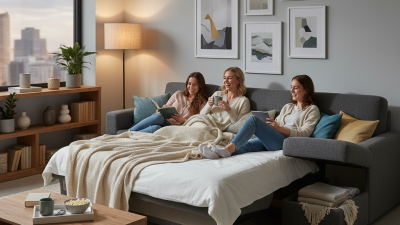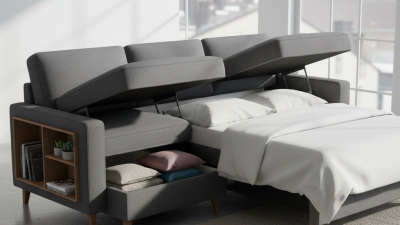


Choosing the best queen sofa bed is not simply a style decision. It is a space, sleep, and usability decision.
Grand View Research valued the global furniture market at approximately $516.7 billion in 2022. Its report also expects continued growth through 2030. IMARC Group separately reported steady expansion in the global sofa market. These figures show strong demand for adaptable furniture. Yet broad market growth does not guarantee a comfortable guest bed.
Sleep specialist Dr. Rebecca Robbins offers a useful reminder: “Sleep is not a luxury; it is a necessity.” Her research-led perspective matters when comparing sofa-bed mattresses, support systems, and opening mechanisms. A queen sofa bed usually provides a 60-by-80-inch sleeping surface. However, its closed dimensions can vary widely. Measure doorways, stair turns, and walking clearance before ordering. Leave room for the bed to open fully. A 12-inch gap may be insufficient beside a wall or coffee table.
In real homes, small details become large frustrations. A heavy pull-out frame can damage flooring. Thin cushions may feel attractive but flatten quickly. Some mattresses also create an uncomfortable center bar. I have found that showroom comfort can mislead shoppers. Sitting for five minutes is not the same as sleeping overnight. This guide examines frame strength, mattress thickness, fabric durability, cleaning access, and everyday seating comfort. It also questions popular assumptions. The most expensive model may still feel wrong in a narrow apartment. The best queen sofa bed is the one that fits your room, your body, and your actual routine.
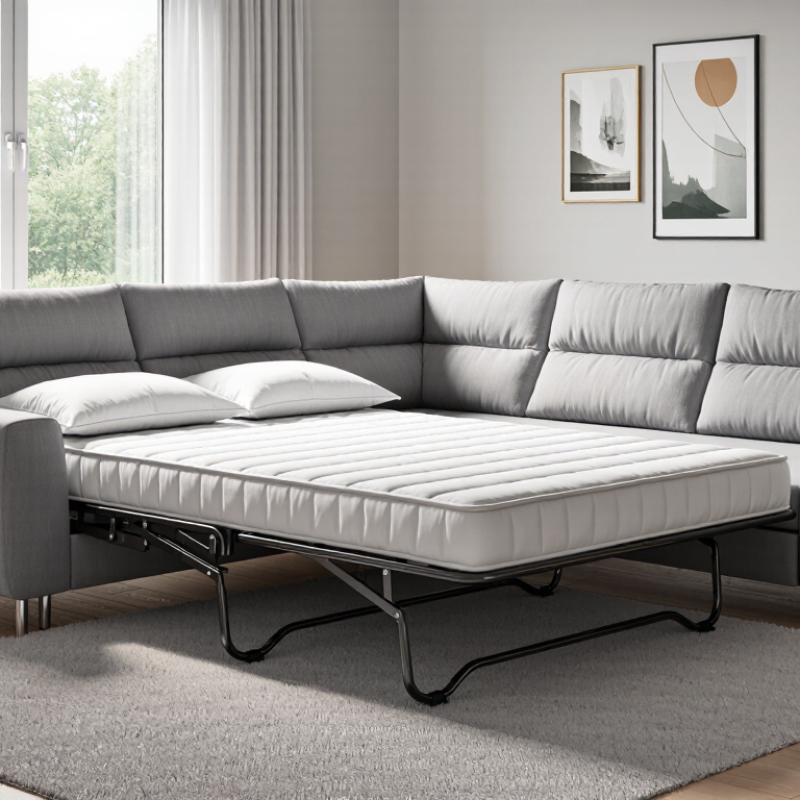
Choosing a queen sofa bed starts with understanding its sleeping dimensions. A standard queen mattress measures about 60 by 80 inches. However, the complete sofa bed can be wider, deeper, and heavier than expected. Always check the manufacturer’s open and closed measurements before buying.
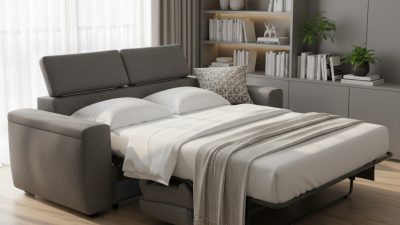
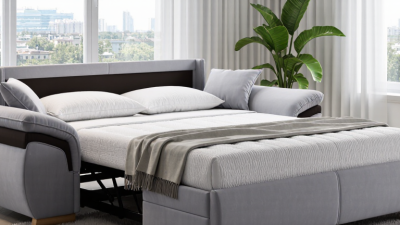
Measure the room with a tape measure, including doorways, stair turns, and elevator space. A sofa may fit against one wall but fail during delivery. Leave at least 30 inches for a comfortable walking path. When opened, the bed needs extra clearance in front, usually around 80 inches from the back frame. Nearby tables, lamps, and cabinets may need temporary relocation.
Think about daily use, not only overnight guests. A deep sofa can make a narrow living room feel crowded. Mark the sofa and bed outlines on the floor with painter’s tape. This simple test reveals awkward door swings and blocked vents. I once underestimated the space beside an open bed, and the walkway became frustratingly tight. Measure twice. Leave room.
Check ceiling height if the sofa must pass through a stairwell or turn sharply. Record every measurement, then compare it with the product’s exact specifications. Room layouts are rarely perfect, and small errors matter. A slightly smaller frame may provide better comfort overall because people can move around it safely.
| Planning Dimension | Typical Queen Sofa Bed Range | Recommended Room Requirement | Why It Matters | Practical Planning Tip |
|---|---|---|---|---|
| Closed Sofa Width | Approximately 80–90 in (203–229 cm) | Allow at least 12–18 in (30–46 cm) of open space beside each arm when possible. | The sofa width determines how much wall space remains for tables, lamps, shelving, or walkways. | Measure the complete outside width, including arms and removable cushions, rather than the seating width alone. |
| Closed Sofa Depth | Approximately 35–40 in (89–102 cm) | Keep a comfortable circulation path of about 30–36 in (76–91 cm) in front of the sofa. | Depth affects traffic flow, especially in living rooms, offices, and compact guest rooms. | Use painter’s tape on the floor to mark the sofa footprint before ordering. |
| Closed Sofa Height | Approximately 34–38 in (86–97 cm) | Leave adequate clearance below windows, artwork, shelves, and wall-mounted furniture. | A taller back can improve support but may visually dominate a small room or block a window line. | Check both the overall height and the height with the back fully reclined, if applicable. |
| Queen Mattress Size | 60 × 80 in (152 × 203 cm) | Plan for a clear rectangular sleeping zone at least 60 × 80 in, plus walking clearance around accessible sides. | The mattress size defines the actual sleeping surface; the furniture frame will usually require additional space. | Confirm the mattress dimensions separately because some sofa beds use shortened or non-standard queen mattresses. |
| Open Bed Depth | Typically about 80–90 in (203–229 cm) | Reserve approximately 30–36 in (76–91 cm) beyond the mattress for a usable walkway. | The open bed may extend significantly farther into the room than the closed sofa. | Do not place a coffee table, ottoman, or dining chair within the bed’s opening path. |
| Recommended Room Size | About 120–180 sq ft (11–17 sq m) for comfortable use | A room around 10 × 12 ft (3.0 × 3.7 m) can work well, depending on furniture and circulation. | Room size is determined by the sofa footprint, open-bed footprint, storage needs, and walking routes. | Compact rooms may work with fewer additional furnishings and a sofa bed with a narrower arm design. |
| Front Clearance | Minimum: approximately 24 in (61 cm); comfortable: 30–36 in (76–91 cm) | Use the larger clearance where the sofa faces a main entrance, hallway, or frequently used furniture. | Clearance supports safe movement and makes bed conversion easier. | For a coffee table, choose a lightweight or movable design that can be relocated before opening the bed. |
| Side Clearance | Minimum practical clearance: about 12 in (30 cm) on an accessible side | Allow 18–24 in (46–61 cm) where users need to walk beside the sofa or reach a side table. | Side clearance improves access to controls, bedding storage, outlets, and cleaning areas. | Consider door swings, heating vents, curtains, and furniture legs when measuring the sides. |
| Ceiling Height | Standard residential ceilings are generally sufficient | Check overhead lighting, ceiling fans, pendant lights, and low beams above the opening area. | The bed mechanism may require lifting or folding movement that can conflict with overhead fixtures. | Measure the highest moving point, not only the mattress height. |
| Delivery Doorway Width | Many units require at least 32–36 in (81–91 cm), depending on packaging | Measure the main entrance, hallways, stair turns, elevator doors, and the final room entrance. | A sofa that fits the room may still be impossible to deliver through a narrow or angled route. | Record the narrowest point and ask for the packaged dimensions before purchase. |
| Door and Hallway Turning Space | Often requires more than the package width because the unit must rotate | A wider landing or turning area is helpful at corners, stairwells, and elevator entrances. | Diagonal measurements and turning angles can limit delivery even when the doorway appears wide enough. | Measure hallway width, ceiling height, corner depth, and door-hinge clearance. |
| User Capacity | Queen sleeping surface generally accommodates two adults | Choose a frame and mattress with a published weight capacity suitable for the intended users. | Weight capacity depends on the frame, mechanism, mattress, and support structure rather than mattress size alone. | Use the manufacturer’s stated total and per-person limits; do not estimate capacity from dimensions. |
| Mattress Thickness | Commonly about 4–6 in (10–15 cm) for built-in sofa-bed mattresses | Leave storage and folding clearance for sheets, mattress toppers, and blankets. | Thicker mattresses may improve comfort but may not fold correctly or fit inside the mechanism. | Verify the approved mattress thickness before adding a topper or replacement mattress. |
| Conversion Space | Requires a clear path for the mechanism to pull, fold, or rotate | Keep rugs, tables, floor lamps, and baskets outside the mechanism’s movement zone. | Obstructions can prevent full opening and may damage the frame or flooring. | Test the conversion motion in the showroom or request the exact operating clearance diagram. |
| Best Room Applications | Guest rooms, multipurpose rooms, studios, home offices, and family rooms | Match the sofa bed to the room’s primary use when closed and its occasional sleeping use. | A queen sofa bed is most effective when it provides everyday seating without overwhelming the room. | Prioritize a smaller closed footprint if the bed will be used only occasionally. |
Measurement note: Dimensions shown are common planning ranges, not universal specifications. Exact measurements vary by construction and mechanism. Always verify the product’s overall dimensions, open-bed dimensions, packaged dimensions, weight capacity, and required operating clearance before purchase.